Grocery budgeting advice tends to swing between two useless extremes: vague ('just meal plan!') or miserable (eating rice and beans for a month). Neither actually works long-term, because vague advice doesn't change behavior and miserable restriction doesn't last. The realistic middle is a handful of specific, low-effort habits that compound.
Shop with a number, not just a list
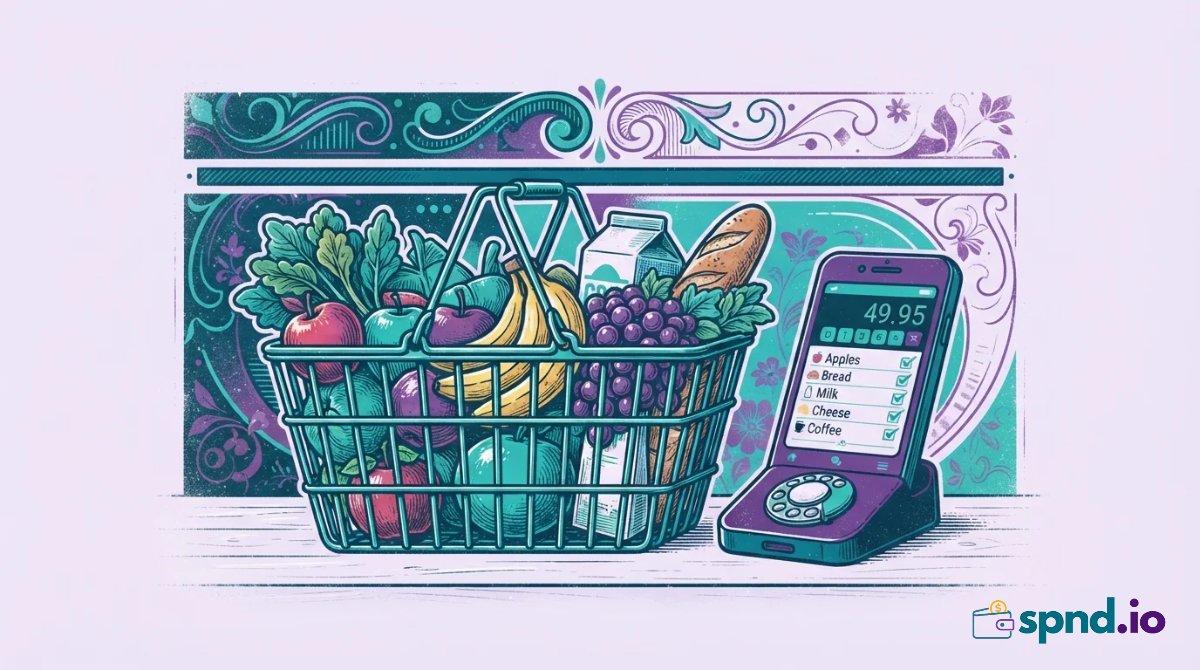
A list tells you what to buy; it doesn't stop you from buying a better version of everything on it. Walking in with both a list and a dollar ceiling for that trip (the same logic behind the envelope method of budgeting) changes the decisions you make in the aisle — you start comparing unit prices because you have to, not because you feel like it. Most grocery apps and some store loyalty programs show unit price automatically; use it.
The 10-minute pantry check
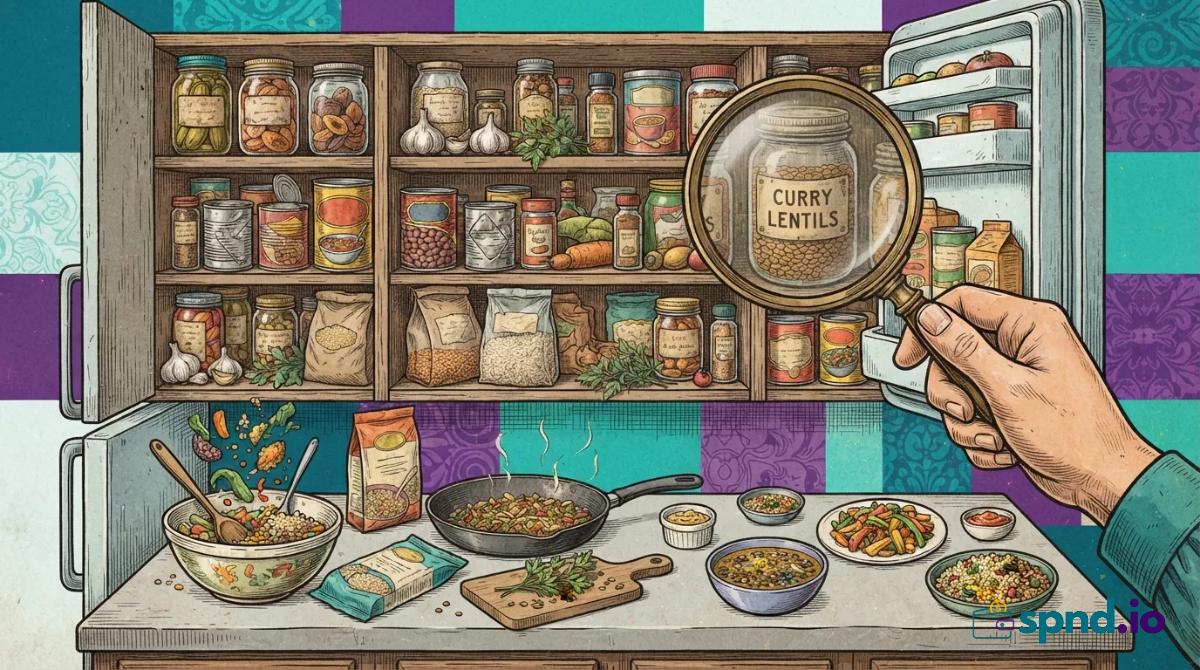
Before writing a list, spend 10 minutes checking what you actually have, especially produce and leftovers close to going bad. This single habit eliminates a huge amount of food waste, which is functionally the same as throwing money in the trash — household food waste is a meaningfully large share of grocery spending, not a rounding error.