Explore
Categories
More Categories
Money 101Learn the fundamentals of personal finance
DebtCredit card payoff & multi-debt strategy
Taxes & IncomeTake-home pay & self-employment tax
All Financial CalculatorsBrowse our complete suite of free money tools
Mortgage & HousingAffordability, buy vs rent, mortgage payments
Budgeting & CashflowBudget, cashflow & emergency fund planning
BlogPractical money tips and strategies
RetirementRetirement savings & RRSP/401(k) planning
Investing & Net WorthTrack your total financial picture
No-Fee BanksCompare fee-free bank accounts
InsuranceLife insurance coverage planning
Everyday ToolsCurrency exchange & daily habit cost
For ProfessionalsBuy pre-qualified leads in your area
Budgeting

The Envelope Method in a Digital World: Does It Still Work?

J
Jonathon Hyjek
Last Updated: November 19, 2026 · 4 min read
The Envelope Method in a Digital World: Does It Still Work?
TL;DR

The envelope method was built for cash. Most spending is digital now. Here's whether the method still works, and how people actually run it today.

The envelope method is old-school for a reason: cash in physical envelopes is a genuinely effective way to stop overspending, because once an envelope is empty, you physically cannot spend more in that category. No overdraft, no "I'll just put it on the card." The question that comes up constantly now is simple — does it still work when most of life runs on cards, apps, and direct deposits, with barely any cash changing hands?

The principle survives even when the cash doesn't

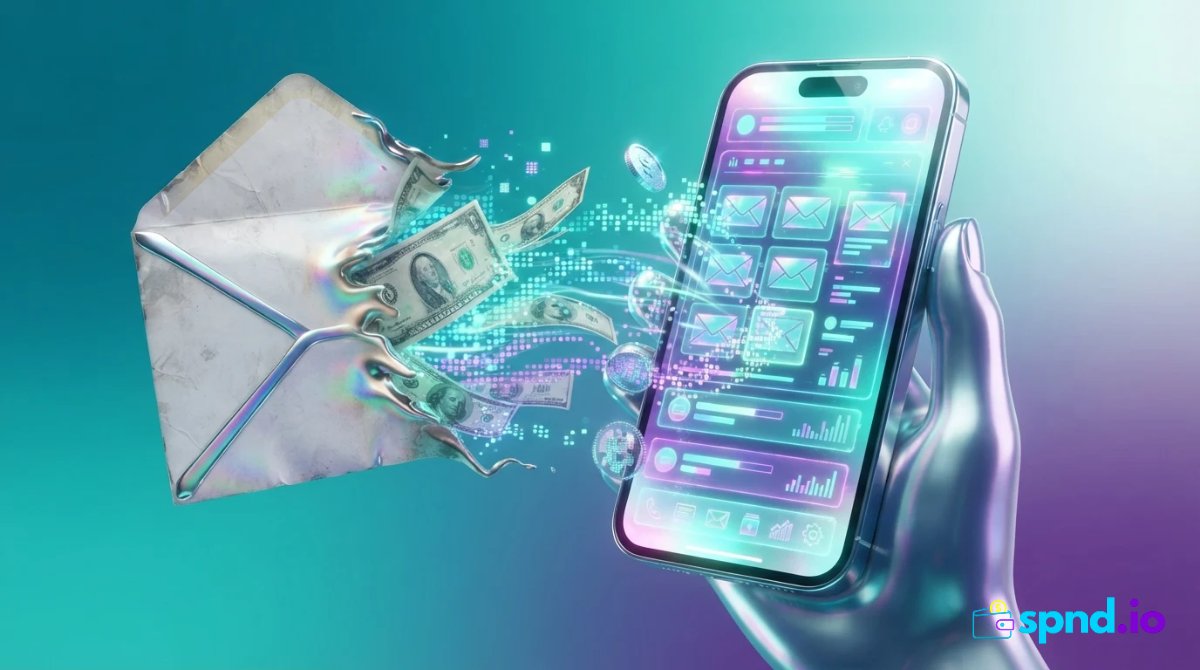
The envelope method isn't really about cash specifically. It's about hard category limits that you can't accidentally blow through without noticing. That principle translates fine to digital money, it just needs a different mechanism to enforce the same hard stop that an empty envelope used to provide.

How people run it digitally now

  • Multiple bank accounts or sub-accounts. Some banks let you create labeled sub-accounts or "spending buckets" within one account — groceries, fun money, gas — and you only spend from the debit card tied to that bucket.
  • Prepaid or secondary debit cards per category. Load a fixed amount onto a card for a specific category at the start of the month; when it's empty, that category is done until next month.
  • App-based tracking with real enforcement. Budgeting apps that categorize spending can simulate envelopes, but only if you actually treat a maxed-out category as a hard stop rather than just a notification you scroll past.
  • Hybrid cash-for-the-hardest-categories. Many people land on a middle ground: discretionary spending (dining out, entertainment, impulse buys) in physical cash envelopes, because that's where overspending actually happens, while fixed bills stay digital since there's nothing to overspend there anyway.

That last option is worth calling out specifically, because it's the most common real-world version of this method today. Nobody needs an envelope for their rent payment — rent doesn't creep. The categories that genuinely benefit from a hard physical or semi-physical limit are the flexible, tempting ones: eating out, shopping, entertainment.

Enjoying this? Get more like it.

Weekly tips and tools to build wealth, straight to your inbox. Free, no spam.

By subscribing, you agree to our terms and privacy policy.

Bank card with a glowing envelope-shaped spending limit meter and a groceries icon

Where it tends to break down

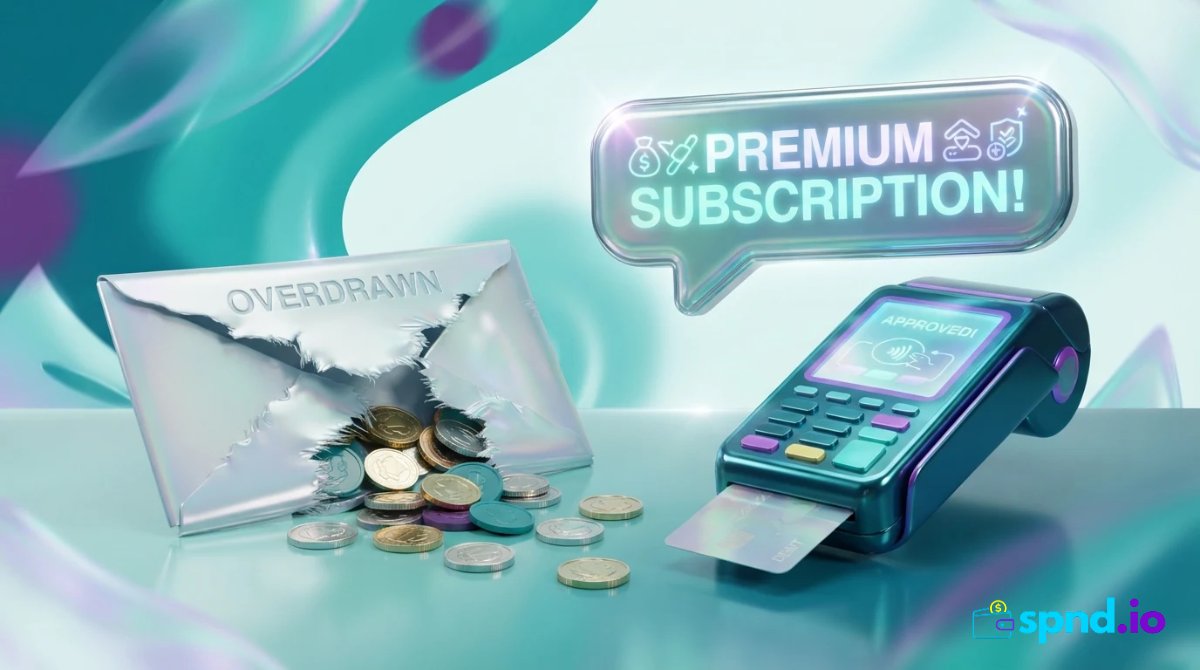
The digital version fails most often when the "envelope" is just a budget line in an app with no actual friction stopping you from spending past it. A notification that says you're over budget doesn't stop a purchase the way an empty envelope does. If you're going fully digital, pick a method with real enforcement — a separate account you genuinely can't overdraft, not just a tracked category.

Whichever version you use, the categories themselves still need to be realistic to begin with. Our Monthly Budget Planner can help you set category amounts that actually match your spending patterns, so your envelopes — physical or digital — aren't set up to fail from day one.

Overdrawn envelope leaking coins beside a card payment terminal and a tempting subscription bubble

Share this article: 𝕏 Twitter Facebook
J
Jonathon Hyjek
Founder & CEO, spnd.io

I've spent 20+ years in the trenches of personal finance — running businesses, surviving debt, and learning what it actually takes to build wealth. spnd.io is built from real-world experience, not textbooks.

Related Articles