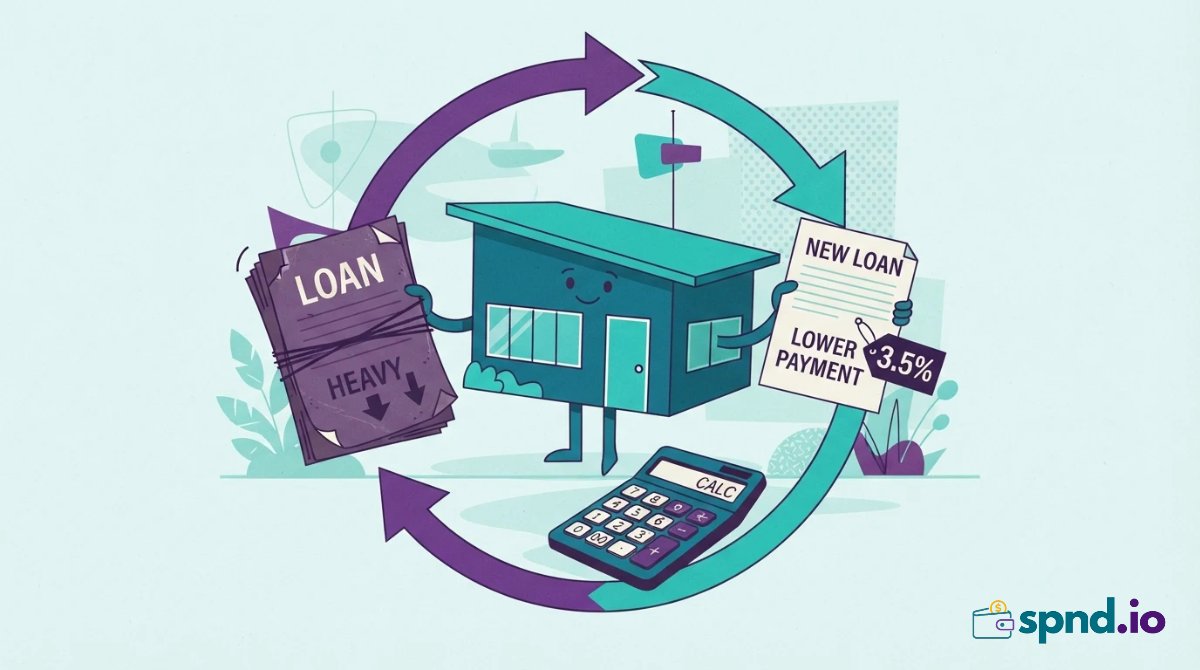
Refinancing gets pitched as an obvious win whenever rates drop, but "rates are lower now" isn't actually the full calculation. Refinancing replaces your current mortgage with a new one, which means new closing costs, a new rate, and often a new amortization schedule — and all three of those need to work in your favor together, not just the rate.
The Break-Even Calculation That Actually Matters
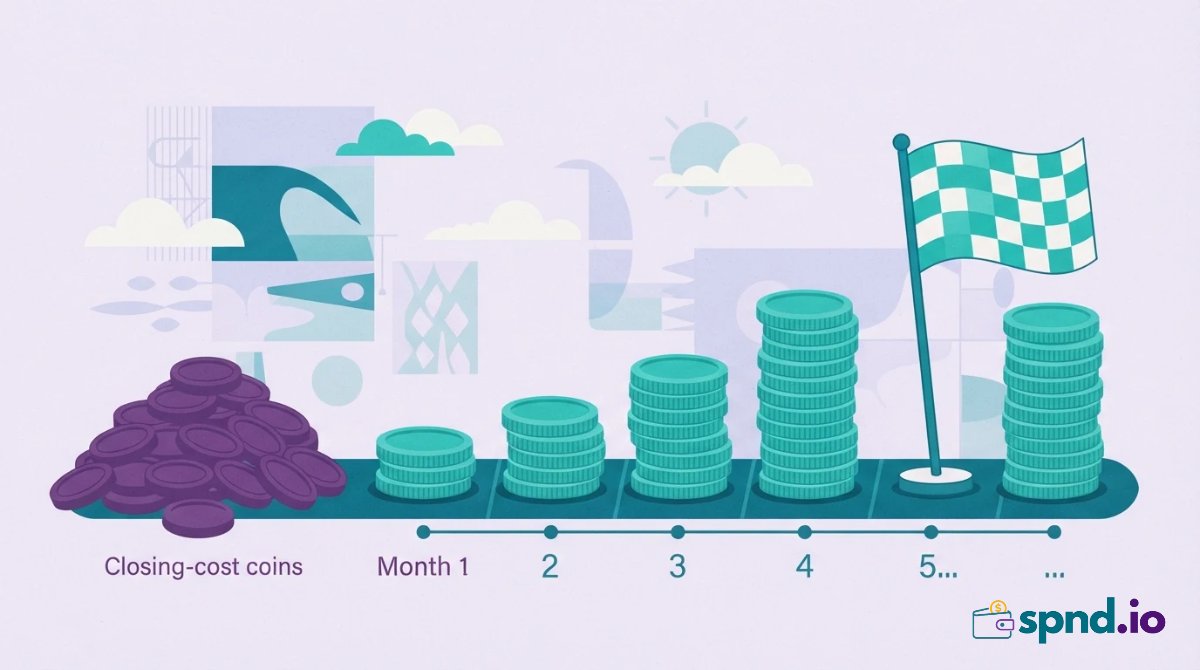
Refinancing isn't free. Expect to pay for appraisal fees, legal/title fees, and sometimes a penalty for breaking your existing mortgage early. Add those costs up, then divide by your estimated monthly savings from the new rate — that tells you how many months it takes to actually break even. If you're planning to move or sell before you hit that break-even point, refinancing likely isn't worth it, no matter how good the new rate looks on paper.
The Amortization Reset Trap
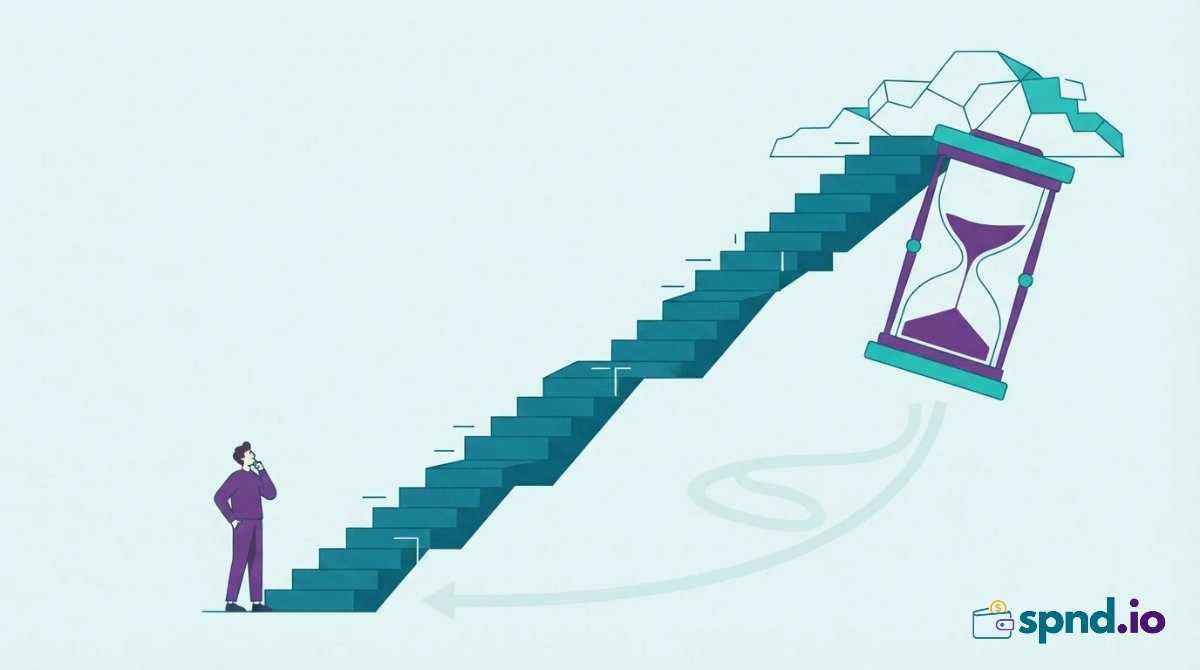
Here's the part people miss most often: refinancing often resets your amortization back to a full term (often 25-30 years), even if you were partway through paying down your original mortgage. That can lower your monthly payment while actually increasing your total lifetime interest, because you're paying mostly interest again at the start of a brand-new schedule. A lower rate with a reset clock can cost you more overall than keeping a slightly higher rate on your original timeline.
When Refinancing Genuinely Makes Sense
- The new rate is enough lower that your break-even point is well within how long you plan to stay in the home
- You're consolidating higher-interest debt (like credit cards) into the mortgage at a meaningfully lower blended rate — though this only helps if you don't run the other debt back up afterward
- You need to access home equity for a specific, worthwhile purpose, and a refinance is cheaper than a separate line of credit
- You're switching from a variable to a fixed rate specifically for payment stability, even if the pure math is close to a wash
When It Usually Doesn't
If you're more than halfway through your amortization and the rate improvement is marginal, the reset-clock effect often outweighs the savings. Run the actual numbers rather than trusting the headline rate difference — plug your current mortgage details and a hypothetical refinanced scenario into our Mortgage Calculator to see the real total-interest comparison, not just the monthly payment difference.
If you're also reconsidering whether owning still makes sense at your new rate versus renting, our Buy vs Rent Calculator is worth running alongside this. And since refinancing math has enough moving pieces that it's easy to miss the amortization-reset trap on your own, a mortgage broker can run the comparison properly before you commit to new closing costs.