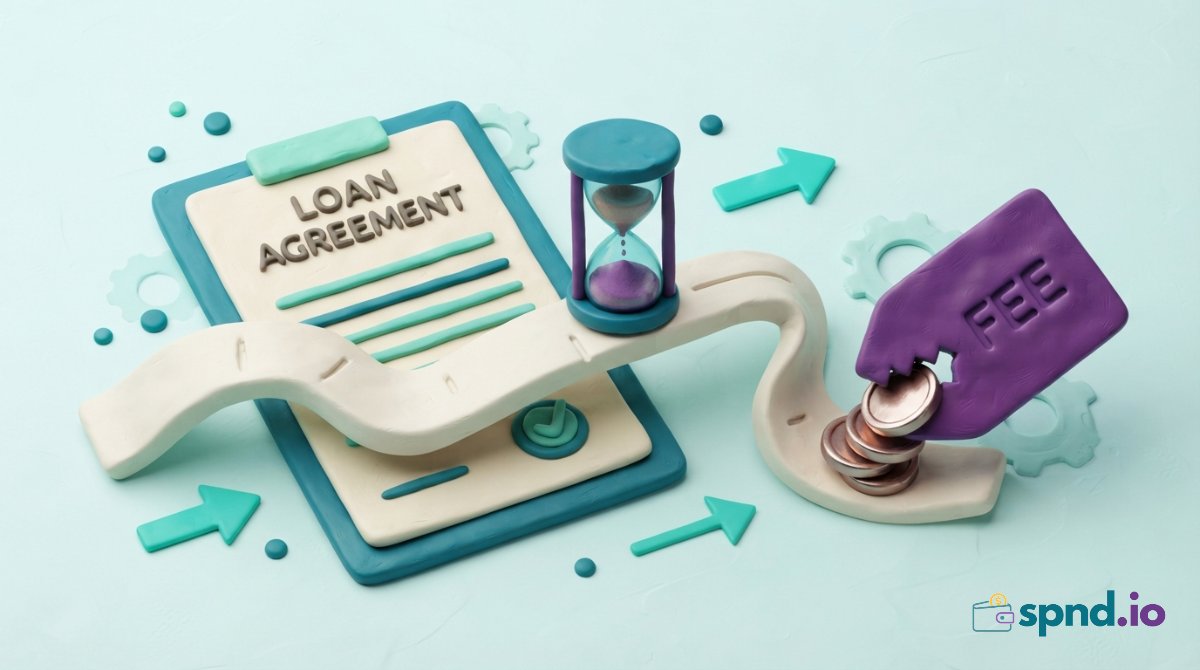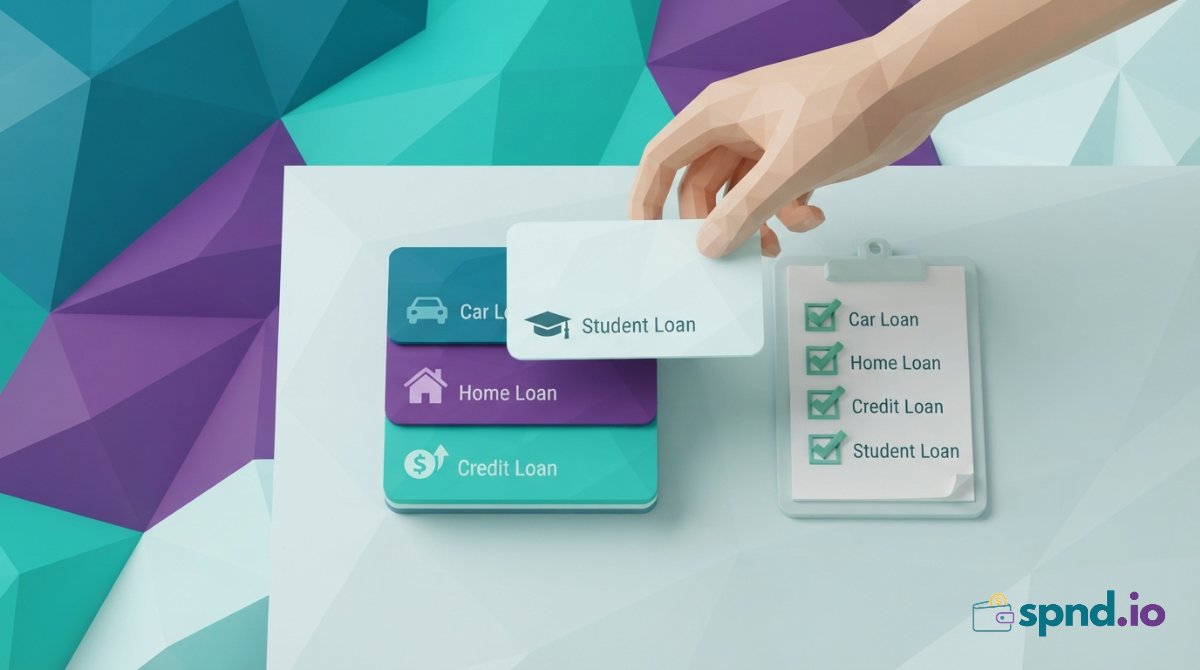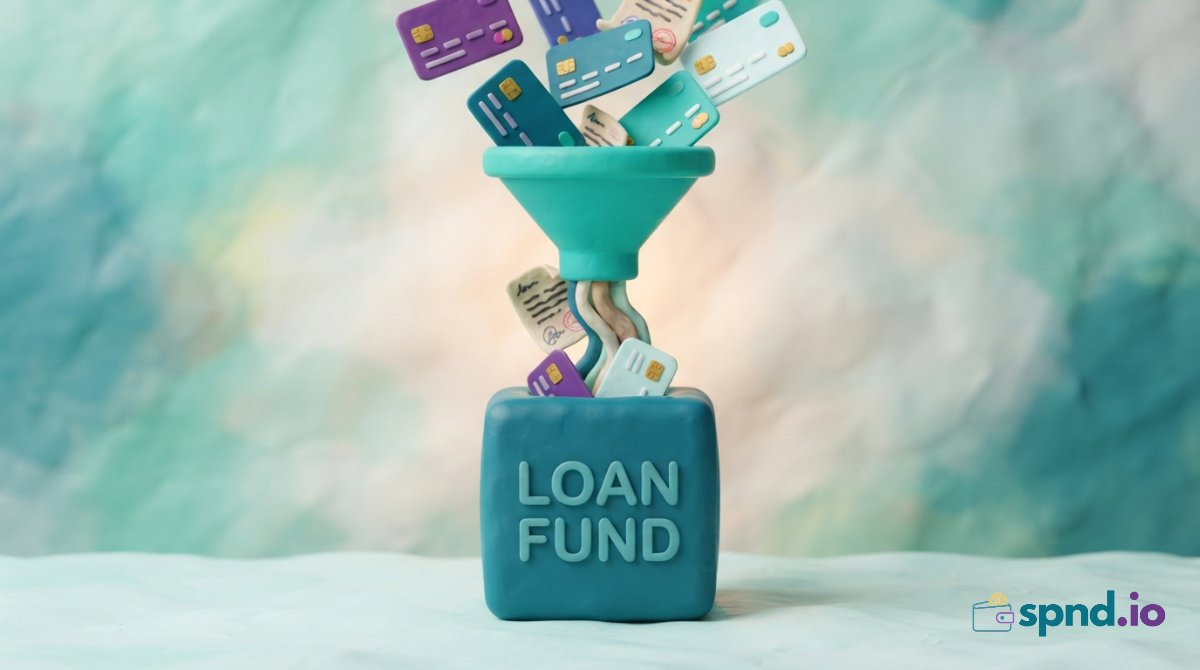
A debt consolidation loan does one thing: it replaces several debts with a single new loan, usually at a lower interest rate than your credit cards. That's it. It doesn't erase what you owe, it doesn't fix why you owe it, and it only helps if the math and your habits both cooperate.
When it actually helps
Consolidation makes sense when the new loan's interest rate is meaningfully lower than the weighted average rate of what you're replacing, and you have a fixed term that forces payoff instead of letting the balance float forever the way a credit card does. If you're carrying balances at a high card APR and you qualify for a personal loan at a lower fixed rate, you're not gaming the system — you're just paying less interest for the same debt. Run your real numbers through our Debt Payoff Calculator first, with and without consolidation, so you're comparing actual dollars and months instead of guessing — and if your main goal is just a lower rate, it's worth trying to negotiate your existing card's APR down before taking on a new loan.
It also helps psychologically for some people. Juggling five minimum payments on five different due dates is a genuine source of missed payments and late fees. One payment, one date, is easier to manage — and missed payments are expensive and damage your credit, so simplicity has real value, not just emotional value.
When it hurts
The failure mode is almost always the same: someone consolidates their credit cards, pays them to zero, then runs the cards back up again because the underlying spending behavior never changed — the same trap that makes any payoff strategy fail without a plan for not re-accumulating. Now they have the original consolidation loan payment AND new card balances. This is the single most common way consolidation makes things worse, not better.