The Real Difference Between Good Debt and Bad Debt
"Good debt" and "bad debt" isn't about the interest rate alone. It's about whether the thing you borrowed for still has value after the debt is gone.
Financial insights, tips, and strategies to help you take control of your money
"Good debt" and "bad debt" isn't about the interest rate alone. It's about whether the thing you borrowed for still has value after the debt is gone.
Your credit score is one number. Lenders read the full report for specific patterns it doesn't capture. Here's exactly what they're looking for.
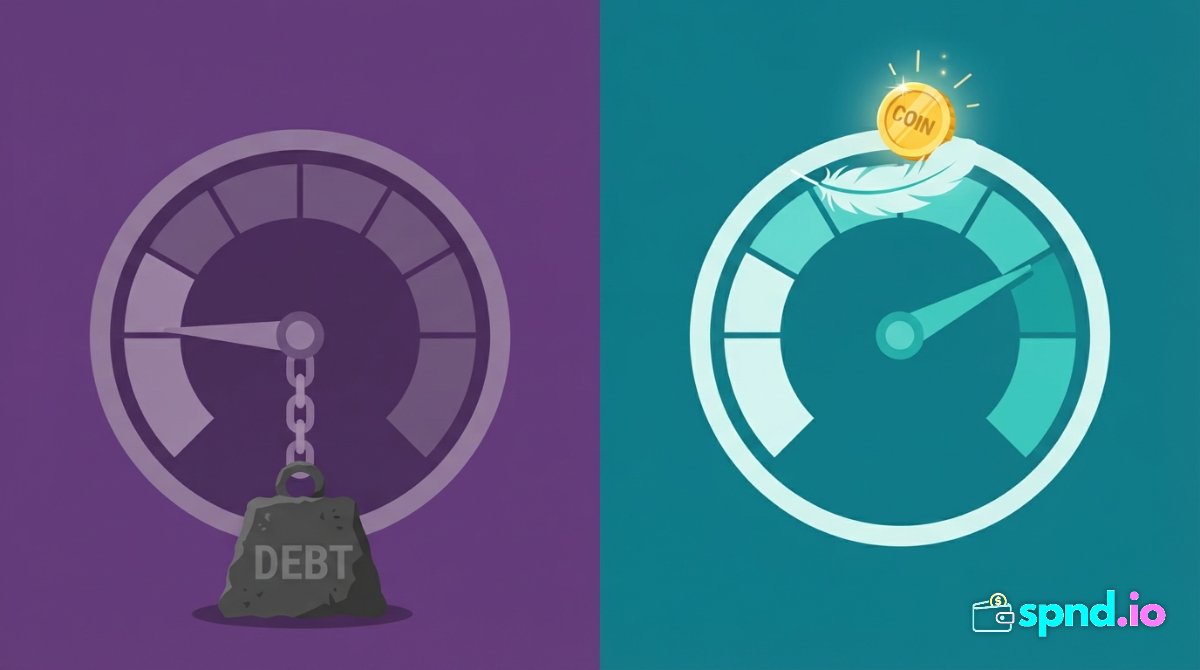
The 30% utilization rule isn't an official cutoff — it's a rough approximation. Here's what utilization actually measures and why it's the most fixable number on your credit report.
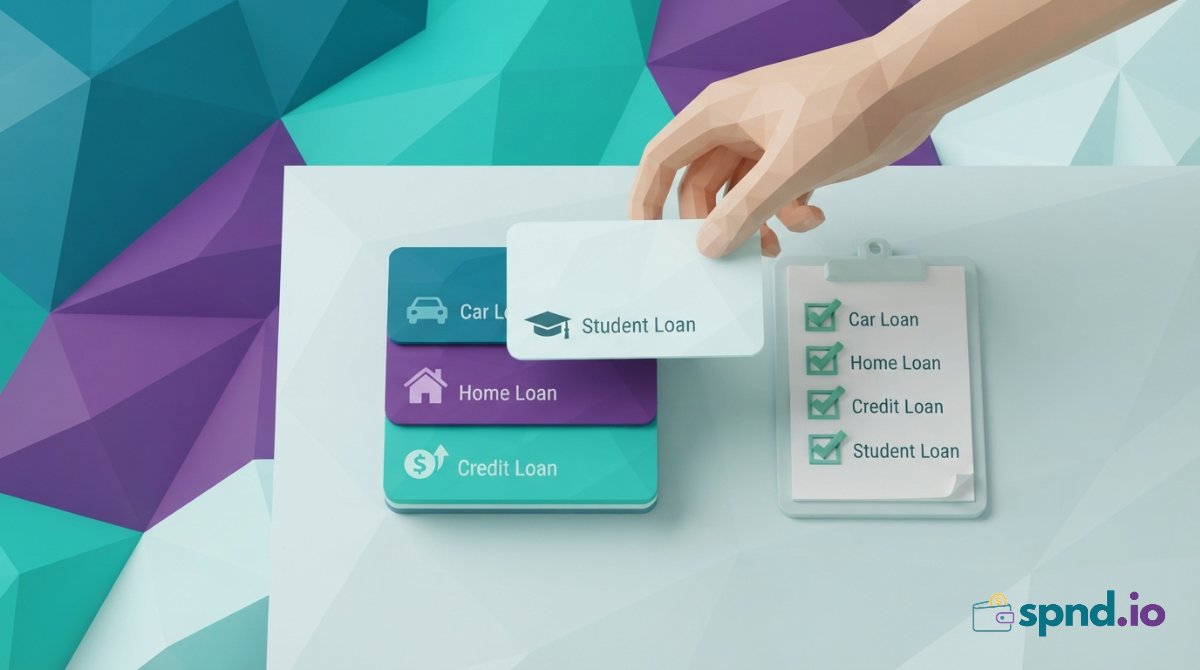
Credit cards, a car loan, student loans, maybe a personal loan too -- when debt comes in different shapes, a single payoff plan gets confusing fast. Here's how to build one anyway.
US and Canadian student loan systems work differently enough that a strategy that makes sense on one side of the border can be the wrong move on the other. Here's how to think about each.
Paying off debt is almost always good for your score, but there's one specific scenario where it can dip briefly first. Here's what actually happens and why.
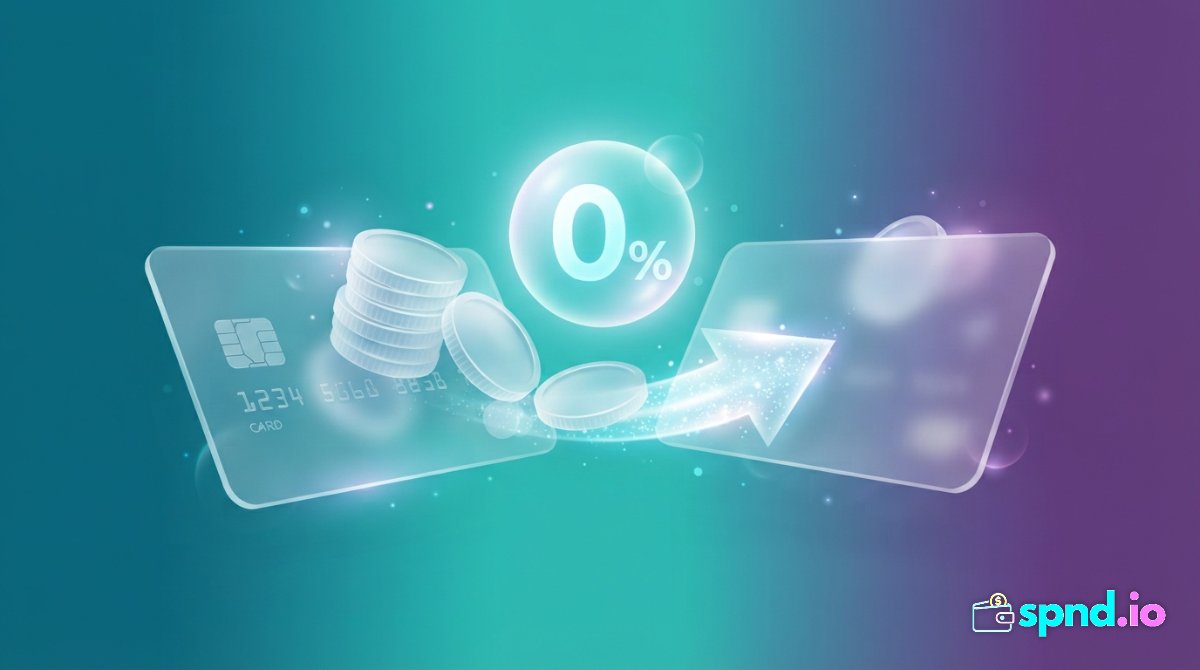
A 0% balance transfer offer can save you real money, or trap you with a transfer fee and a rate spike you didn't plan for. The difference comes down to doing the math before you apply.
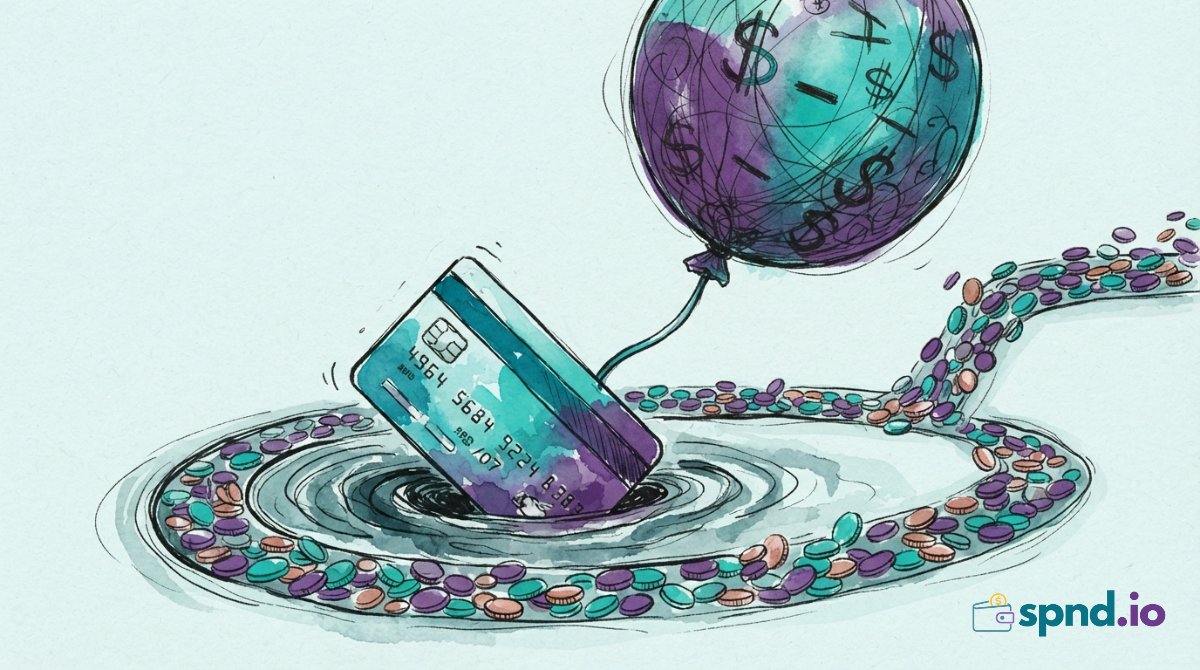
Minimum payments are calculated to keep you paying as long as possible, not to get you out of debt. Here's exactly how that math works against you.
Credit card issuers will sometimes lower your rate just because you called and asked. It doesn't always work, but it costs nothing to try, and most people never try.