Explore
Categories
More Categories
Money 101Learn the fundamentals of personal finance
DebtCredit card payoff & multi-debt strategy
Taxes & IncomeTake-home pay & self-employment tax
All Financial CalculatorsBrowse our complete suite of free money tools
Mortgage & HousingAffordability, buy vs rent, mortgage payments
Budgeting & CashflowBudget, cashflow & emergency fund planning
BlogPractical money tips and strategies
RetirementRetirement savings & RRSP/401(k) planning
Investing & Net WorthTrack your total financial picture
No-Fee BanksCompare fee-free bank accounts
InsuranceLife insurance coverage planning
Everyday ToolsCurrency exchange & daily habit cost
For ProfessionalsBuy pre-qualified leads in your area
Debt Management

What Happens to Your Credit Score When You Pay Off Debt?

J
Jonathon Hyjek
Last Updated: November 18, 2026 · 4 min read
What Happens to Your Credit Score When You Pay Off Debt?
TL;DR

Paying off debt is almost always good for your score, but there's one specific scenario where it can dip briefly first. Here's what actually happens and why.

In the overwhelming majority of cases, paying down debt improves your credit score, sometimes quickly. But there's a specific, well-understood scenario where paying off a card can cause a small, temporary dip, and knowing why removes the panic when you see it.

The main event: credit utilization

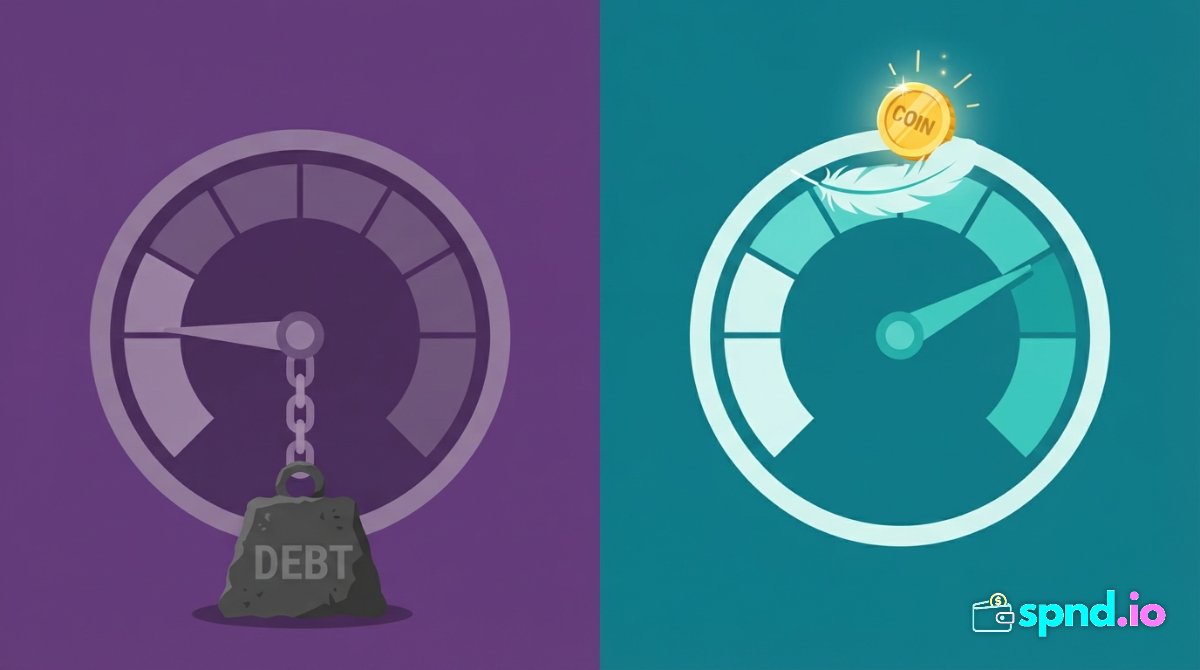
Credit utilization — your total revolving balance divided by your total available credit — is one of the biggest factors in your score, right behind payment history. Paying down a card balance lowers your utilization immediately, and lower utilization almost always means a higher score. This is the dominant effect for most people paying off debt, and it's usually visible within a billing cycle or two once the new, lower balance gets reported.
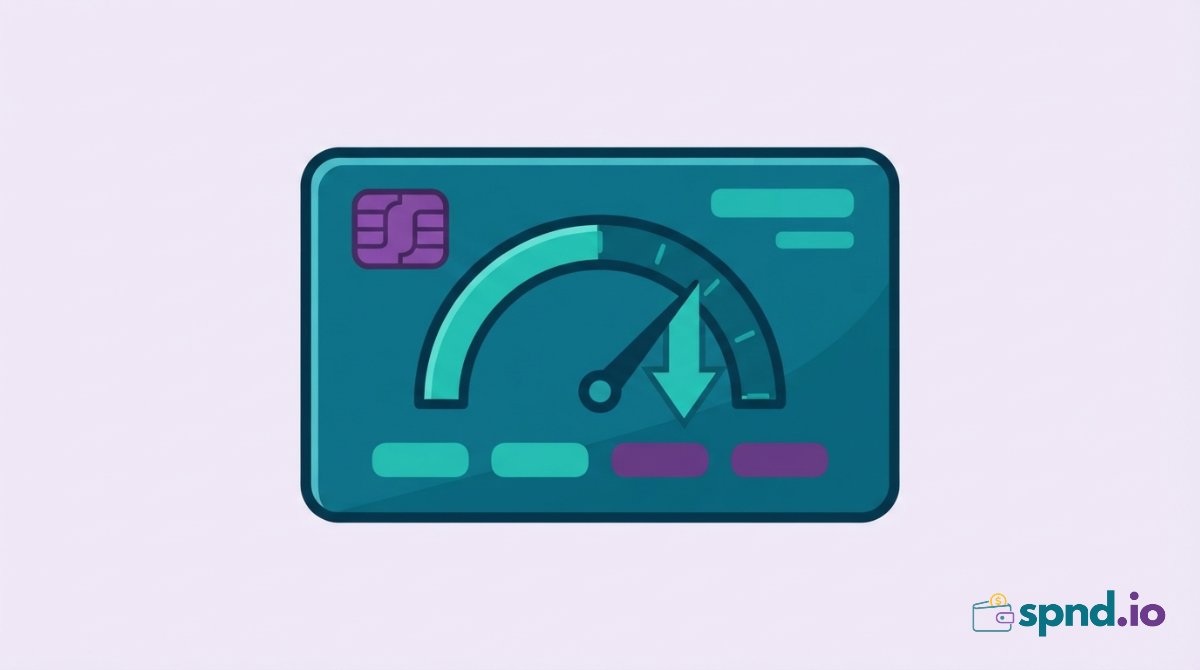
Flat vector credit card with a utilization gauge and a downward arrow, showing credit utilization dropping as debt is paid

The exception: closing the account

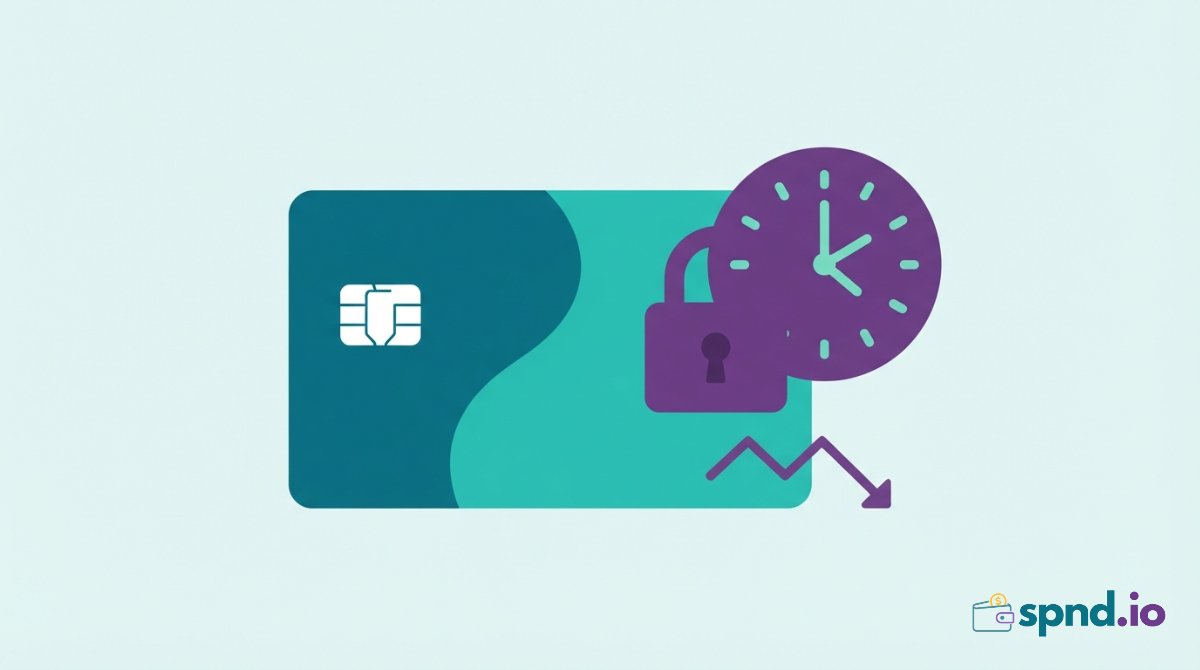
Here's where it gets counterintuitive. If you pay off a card and then close it, you lose that card's available credit limit from your utilization calculation entirely, which can actually raise your utilization ratio on your remaining cards even though you owe less money overall. You also shorten your average account age over time, which is a smaller but real factor in your score. This is why paying off a card and leaving it open with a zero balance is usually better for your score than paying it off and closing it, even though closing it feels like the more final, satisfying move.
Enjoying this? Get more like it.

Weekly tips and tools to build wealth, straight to your inbox. Free, no spam.

By subscribing, you agree to our terms and privacy policy.

Flat vector credit card with a padlock and a clock, showing the effect of closing an old account on credit history

What about your score mix?

Credit scoring models also reward having a mix of account types (revolving credit like cards, installment loans like a car or personal loan) and a track record of managing them responsibly. Paying off an installment loan entirely, like a car loan or a debt consolidation loan, is unambiguously good — there's no utilization mechanic working against you there, since installment balances aren't factored the same way revolving balances are.

The short version

  • Paying off a card: good for your score, and better if you keep the account open at zero instead of closing it
  • Paying off an installment loan: good for your score, no downside
  • Either way: the long-term trajectory from paying off debt is positive, any dip you might see is temporary and small compared to the ongoing benefit

If you're planning a payoff across multiple accounts and want to see the realistic timeline and total interest saved, our Debt Payoff Calculator lays out both the avalanche and snowball approach side by side so you can pick the one that fits how you actually stay motivated, and knowing what else lenders actually look at on your report helps you plan beyond the score alone.

Share this article: 𝕏 Twitter Facebook
J
Jonathon Hyjek
Founder & CEO, spnd.io

I've spent 20+ years in the trenches of personal finance — running businesses, surviving debt, and learning what it actually takes to build wealth. spnd.io is built from real-world experience, not textbooks.

Related Articles