Financial Insights Blog

Financial insights, tips, and strategies to help you take control of your money

πŸ”
Buy vs Rent in 2026: When Does It Actually Make Financial Sense?
Financial Planning

Buy vs Rent in 2026: When Does It Actually Make Financial Sense?

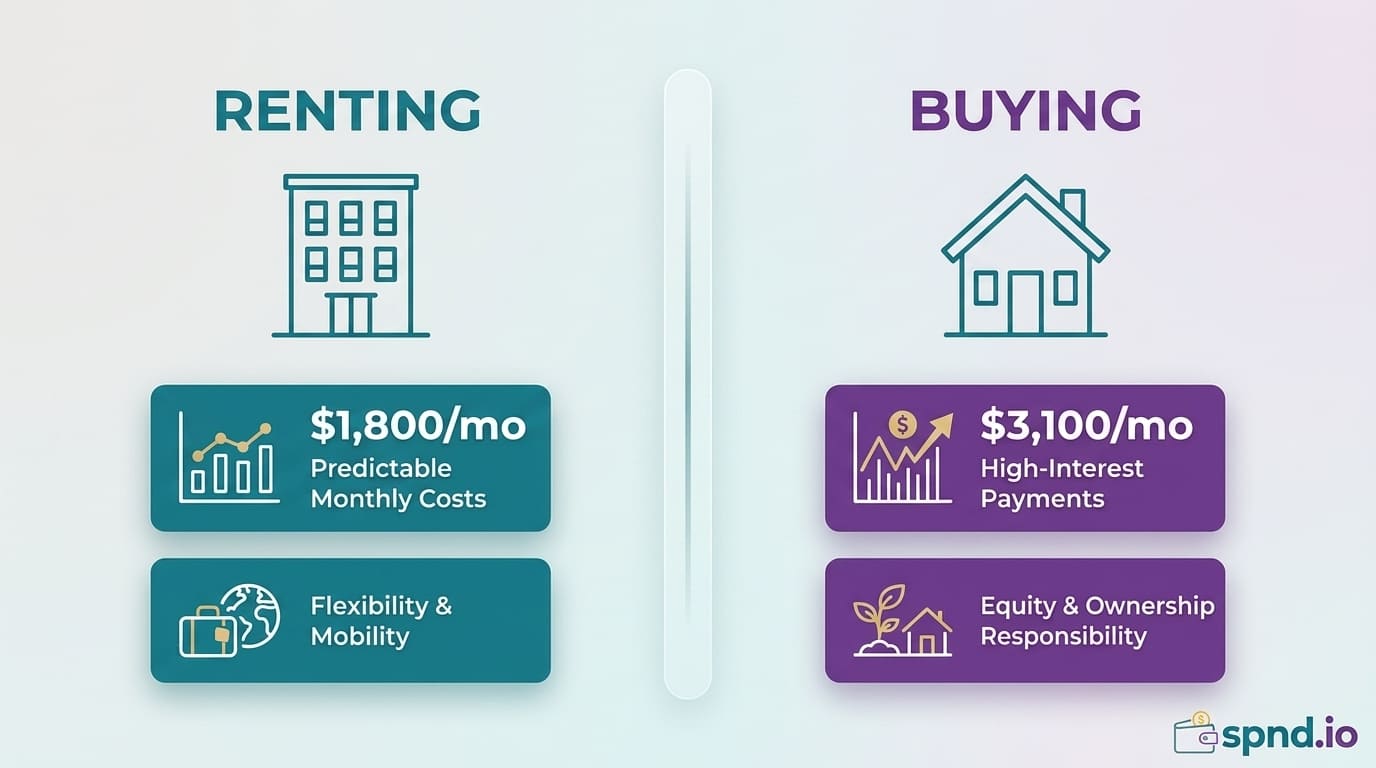
Buying typically makes financial sense when you plan to stay in the home for at least 5-7 years and the total cost of ownership (mortgage, taxes, insurance, maintenance) is within about 20% of the cost of renting a comparable place. In 2026's high-rate environment, renting wins more scenarios than it did a decade ago β€” especially for short stays or in high-cost markets.

πŸ“… May 12, 2026 Β· πŸ• 3 min read Β· πŸ‘€
How to Calculate Your Net Monthly Income (USA & Canada)
Financial Planning

How to Calculate Your Net Monthly Income (USA & Canada)

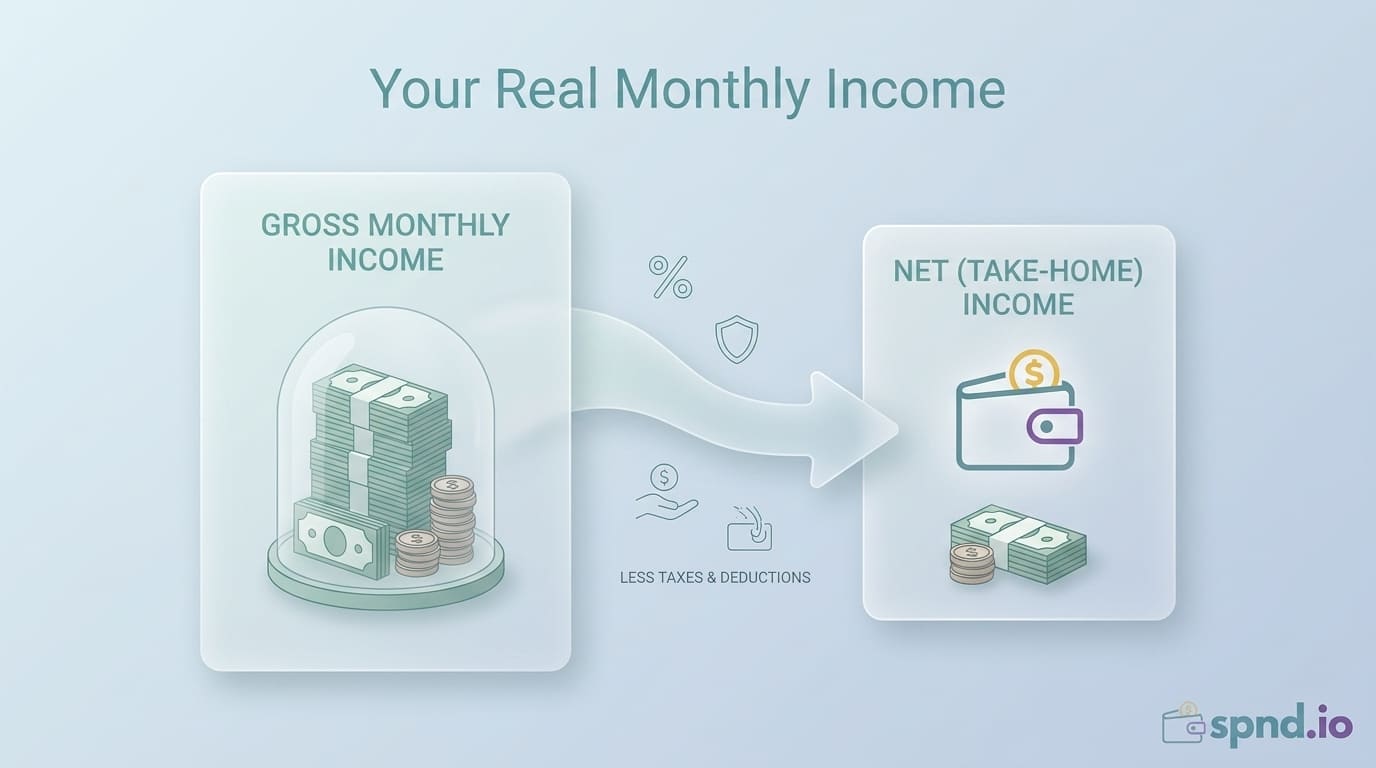
To calculate net monthly income: take your gross annual salary, subtract federal income tax, state or provincial tax, Social Security/CPP, Medicare/EI, and any mandatory deductions. Divide the result by 12. For paycheck-based calculation: multiply your net pay per check by the number of pay periods per year, then divide by 12.

πŸ“… May 12, 2026 Β· πŸ• 3 min read Β· πŸ‘€
Cashflow Planning for Irregular Income (Freelancers & Self-Employed)
Financial Planning

Cashflow Planning for Irregular Income (Freelancers & Self-Employed)

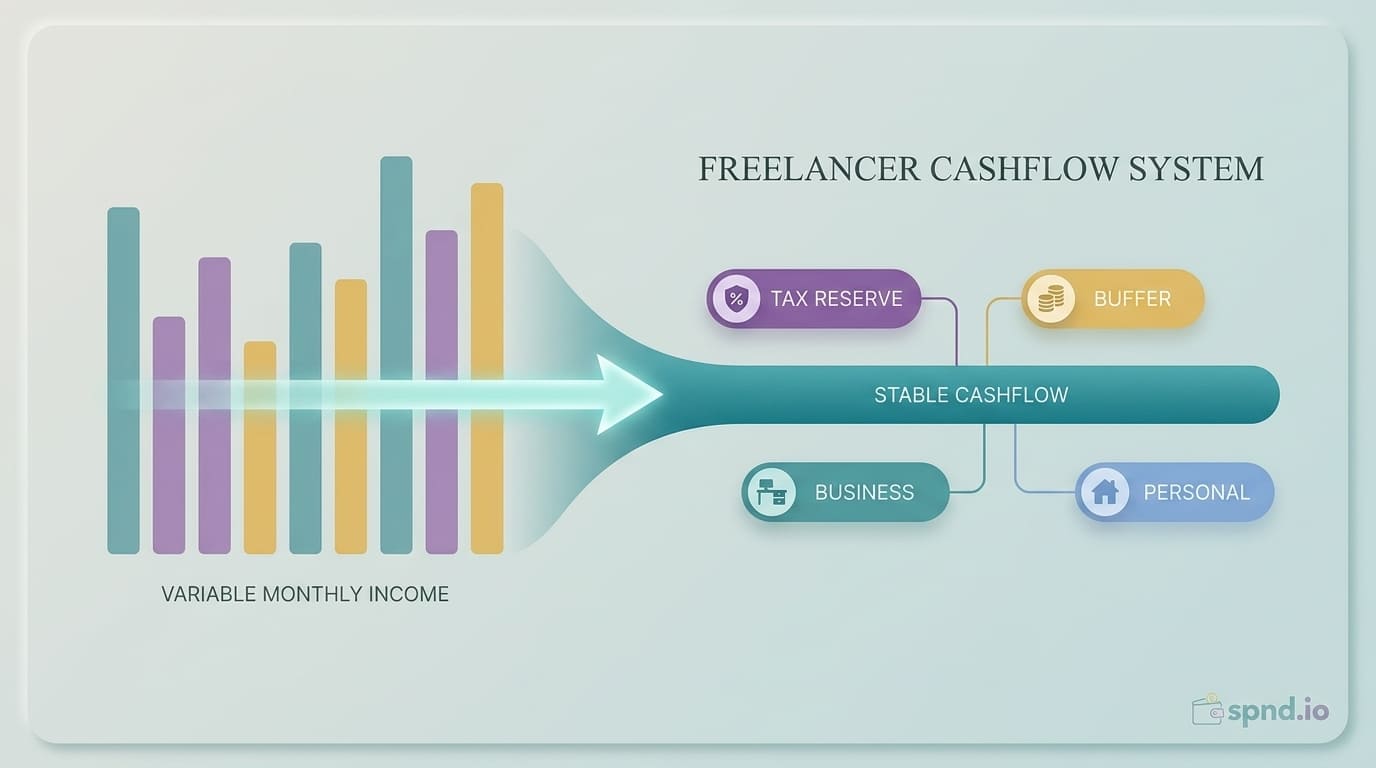
Budgeting irregular income works best with the 'pay yourself a salary' method: deposit all business income into a business account, then transfer a fixed monthly amount to personal checking regardless of that month's revenue. This creates predictable personal cashflow despite variable business income, funded by a business buffer equal to 2-3 months of personal draws.

πŸ“… May 12, 2026 Β· πŸ• 3 min read Β· πŸ‘€
Weekly vs Monthly Cashflow Planning: Which Works Better?
Financial Planning

Weekly vs Monthly Cashflow Planning: Which Works Better?

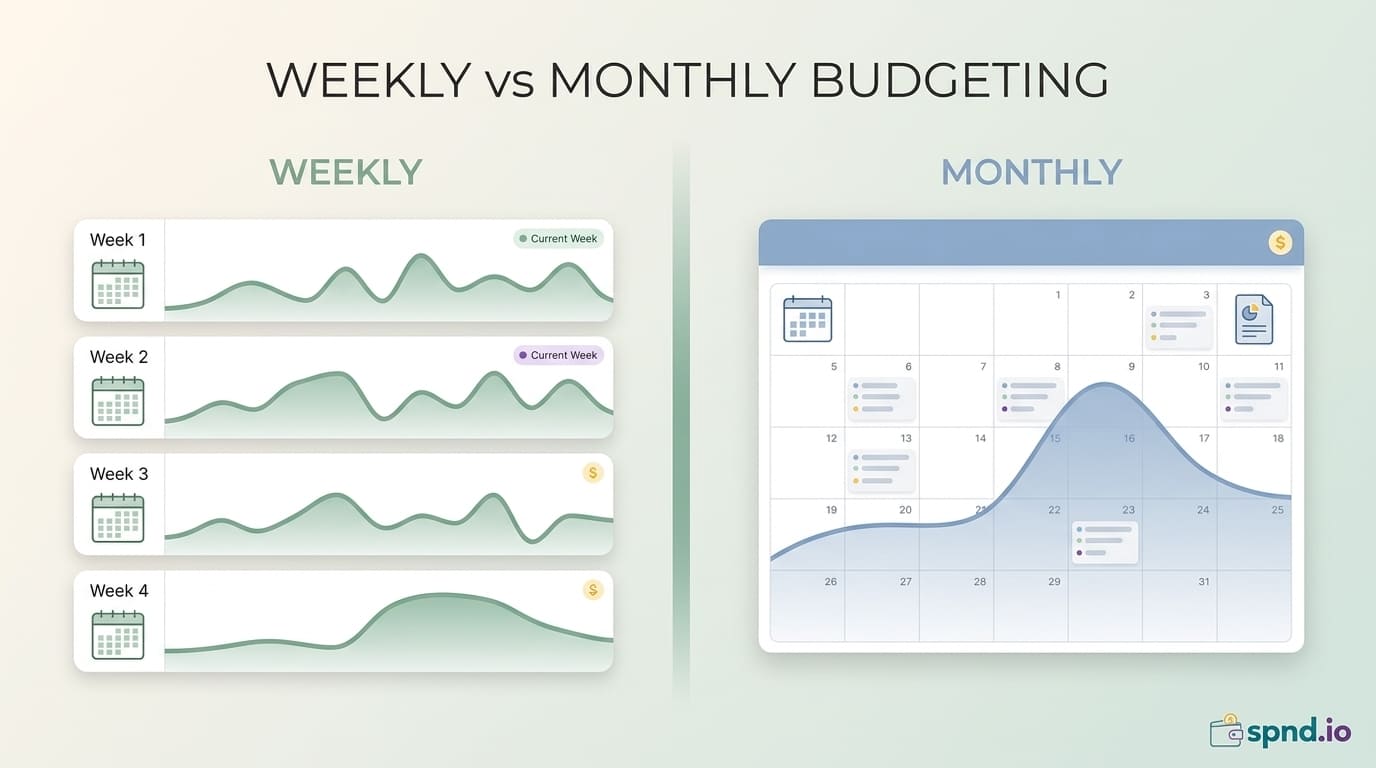
Weekly cashflow planning works better for people with variable income, weekly pay cycles, or those prone to mid-month overspending. Monthly planning works better for salaried earners with predictable income and regular fixed bills. The best cashflow system aligns with how often you actually get paid.

πŸ“… May 12, 2026 Β· πŸ• 3 min read Β· πŸ‘€
Life Insurance Costs by Age: What to Expect in Your 30s, 40s, 50s
Financial Planning

Life Insurance Costs by Age: What to Expect in Your 30s, 40s, 50s

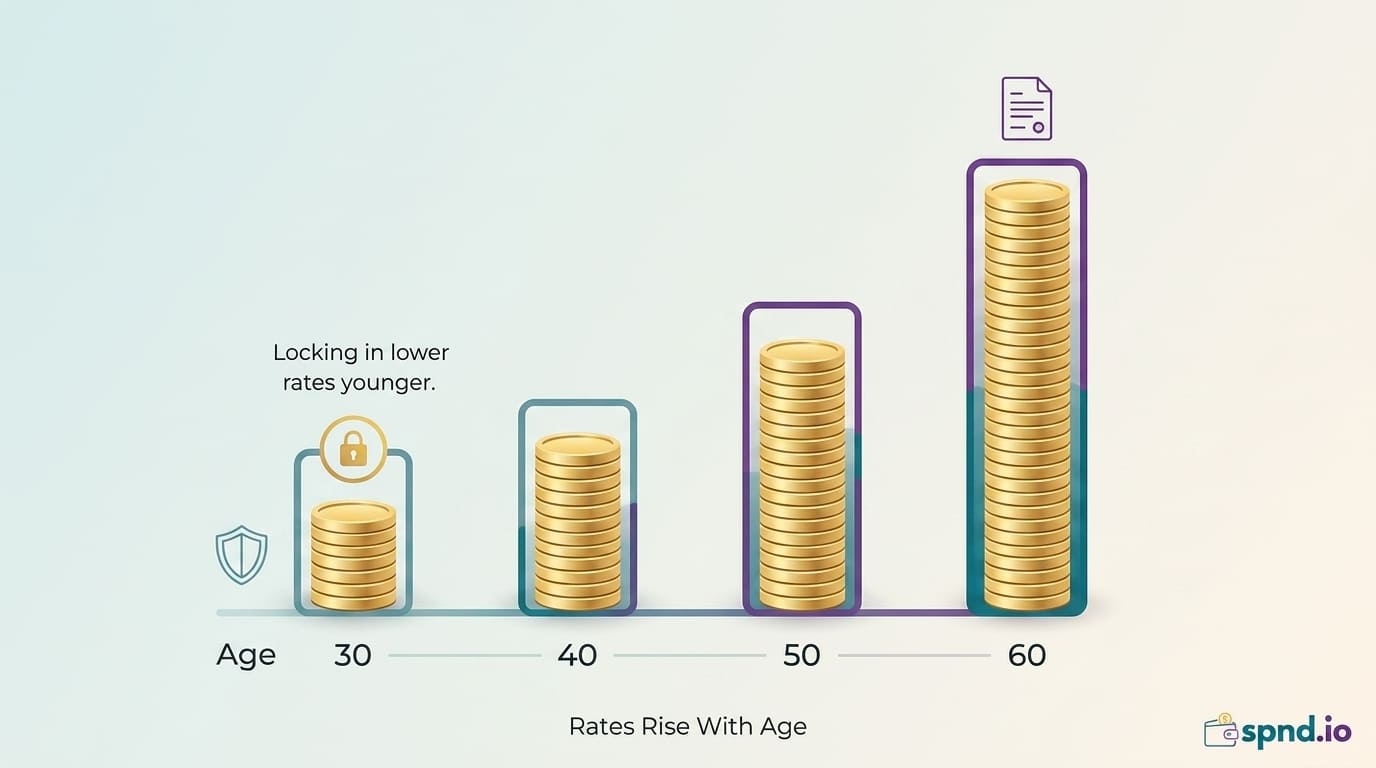
Life insurance costs roughly double every decade. A healthy non-smoker buying $500,000 of 20-year term coverage typically pays $20-30/month at age 30, $35-55/month at age 40, $80-125/month at age 50, and $180-300/month at age 60. Women pay 15-30% less than men at every age due to longer life expectancy.

πŸ“… May 12, 2026 Β· πŸ• 3 min read Β· πŸ‘€
Term vs Permanent Life Insurance: Cost Comparison Guide
Financial Planning

Term vs Permanent Life Insurance: Cost Comparison Guide

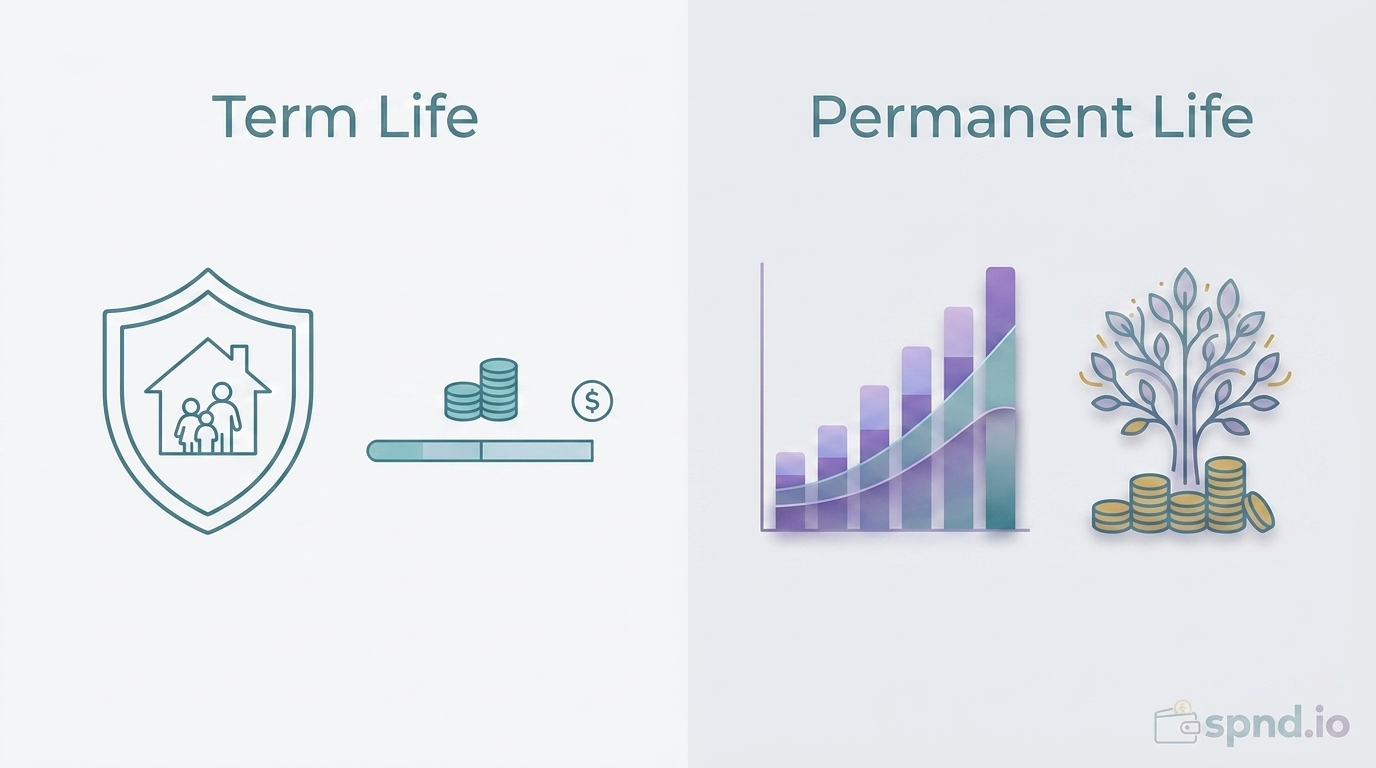
Term life insurance covers you for a fixed period (typically 10-30 years) and is 5-15x cheaper than permanent insurance for the same coverage. Permanent insurance (whole life, universal life) covers you for life and includes a cash value component, but is rarely the right choice for basic family protection. For most families, a 20 or 30-year term policy is the correct answer.

πŸ“… May 7, 2026 Β· πŸ• 3 min read Β· πŸ‘€
How Much Life Insurance Do You Actually Need? (With Calculator)
Financial Planning

How Much Life Insurance Do You Actually Need? (With Calculator)

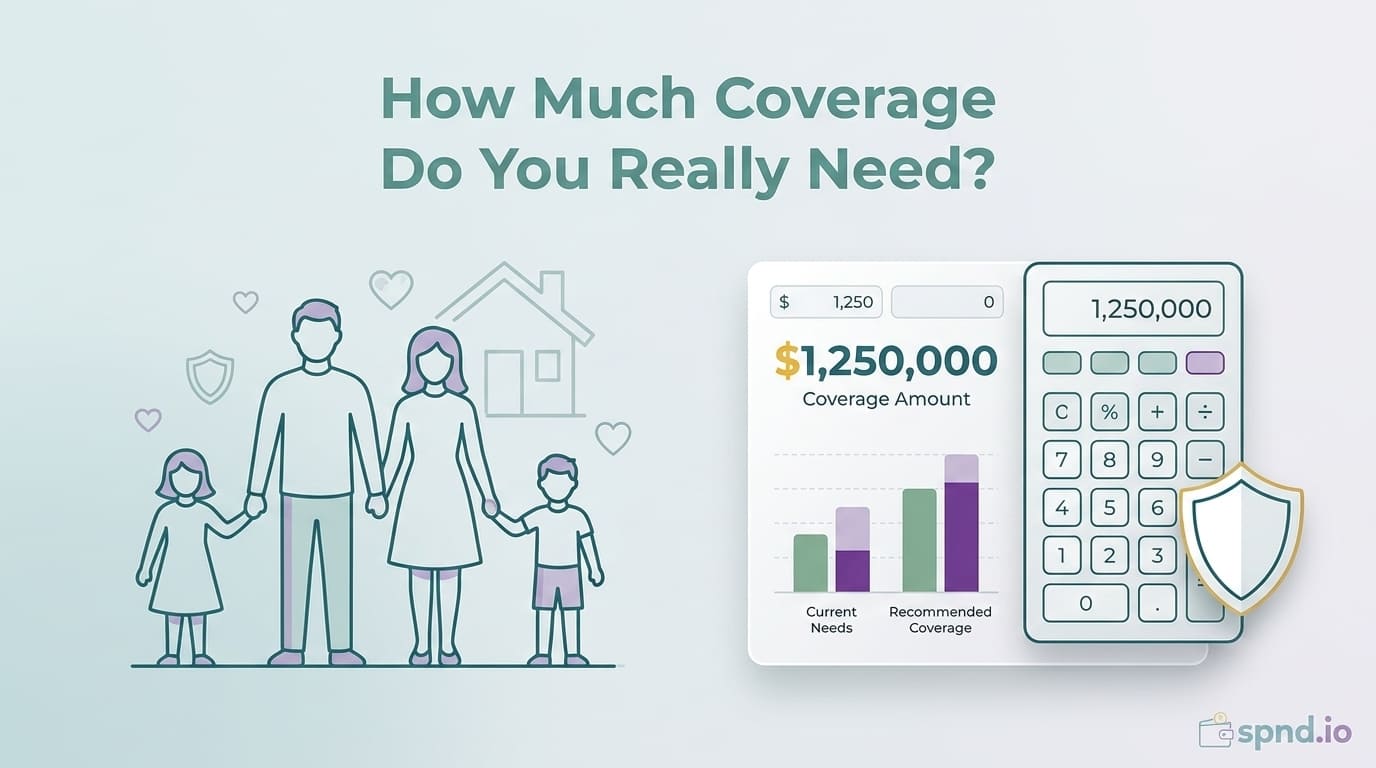
Most financial planners recommend life insurance coverage of 10-12 times your annual income, though the right number depends on your debts, dependents, and goals. For a $75,000 income earner with a spouse, two kids, and a mortgage, appropriate coverage is typically $750,000 to $1.2 million in a 20-30 year term policy.

πŸ“… May 7, 2026 Β· πŸ• 3 min read Β· πŸ‘€
Automation: The Secret Weapon for Financial Success
Financial Planning

Automation: The Secret Weapon for Financial Success

Discover how automating your finances can eliminate human error, reduce decision fatigue, and ensure consistency in building wealth.

πŸ“… Mar 16, 2025 Β· πŸ• 3 min read Β· πŸ‘€