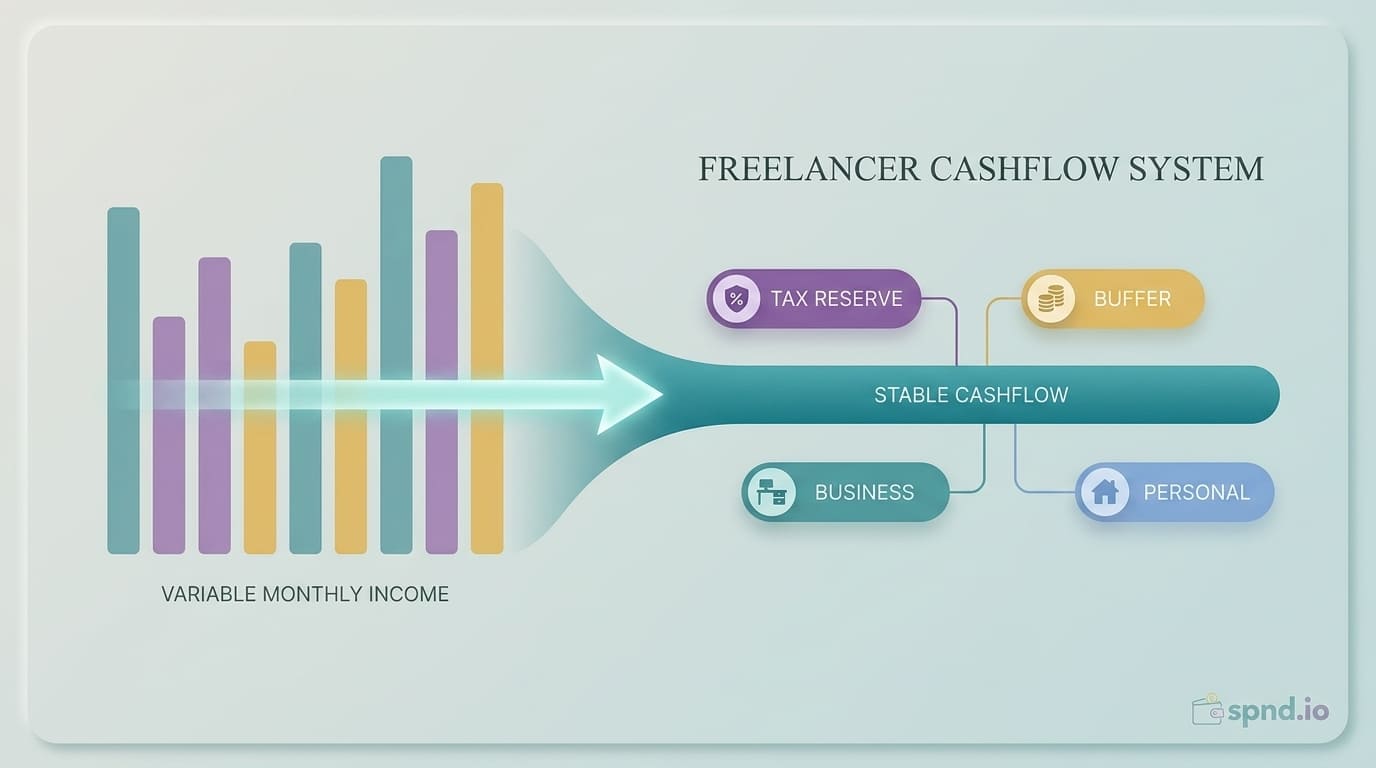
In the digital age, automation has become one of the most powerful tools for achieving financial success. By setting up systems that handle routine financial tasks automatically, you can eliminate human error, reduce decision fatigue, and ensure consistency in your financial habits.
Key Benefits of Financial Automation
Here are some of the primary ways automation can revolutionize your financial life:
- Consistent Savings: Automatic transfers to savings accounts ensure you save before you spend.
- On-time Payments: Automatic bill payments eliminate late fees and credit score damage.
- Investment Discipline: Regular automated investments maintain your strategy regardless of market emotions.
- Budget Adherence: Automated spending alerts help you stay within budget categories.
- Financial Awareness: Automated financial dashboards give you real-time visibility into your finances.
Essential Automation Strategies
Ready to harness the power of automation? Here are the most impactful systems to set up:
1. Automate Your Savings
The cornerstone of financial automation is setting up automatic transfers to savings and investment accounts. Schedule these transfers to occur immediately after payday, so the money is working for you before you have a chance to spend it. For maximum effectiveness, maintain multiple automated savings streams for different goals: emergency fund (aim for 3–6 months of expenses), short-term savings (vacations, gifts, major purchases), long-term goals (down payment, education), and retirement accounts (401(k), IRA, etc.).
2. Set Up Bill Autopay
Late payments can wreak havoc on your credit score and result in unnecessary fees. Set up automatic payments for all recurring bills: mortgage or rent, utilities, phone and internet, insurance premiums, credit card minimums (at least), and subscriptions. Always maintain a buffer in your payment account and regularly review all automatic payments to ensure you're not paying for services you no longer use.
3. Automate Your Investments
Dollar cost averaging through automated regular investments is one of the most powerful wealth building strategies. Set up automatic investments to: 401(k) or workplace retirement plan (through payroll deduction), IRA or Roth IRA (monthly transfers), and brokerage accounts (for goals beyond retirement). By automating these decisions, you remove emotion from the equation and maintain your long-term strategy regardless of market conditions.
4. Implement Financial Alerts
Use your bank's and credit card's alert systems to stay informed about your finances: low balance alerts to avoid overdrafts, large purchase alerts to catch fraud quickly, budget category alerts when you approach predefined limits, bill payment reminders for non-automated bills, and credit score change notifications.
5. Utilize Financial Apps
Modern financial apps can add an extra layer of automation to your financial management: budgeting apps that categorize transactions automatically, savings apps that analyze your spending and save small amounts automatically, bill management apps that track due dates and payment status, and investment apps that automatically rebalance your portfolio.
Starting Your Automation Journey
Begin by identifying your biggest financial pain points. Where do you most often make mistakes? What finance tasks do you tend to procrastinate on? Those are prime candidates for automation. Start small with one or two automation strategies, then gradually expand your system as you become comfortable with each component. Remember that automation is a tool, not a replacement for financial awareness. Schedule a monthly financial review to assess your automated systems and make adjustments as needed.
The Compound Effect of Automation
The true power of financial automation lies in its compound effect over time. Small, consistent actions — executed automatically day after day, month after month, year after year — create remarkable results. By removing the friction of manual financial management, automation makes it vastly more likely that you'll achieve your financial goals. The best financial system isn't the most complex — it's the one you actually stick with consistently. Start building your automated financial ecosystem today, and experience the freedom that comes from knowing your financial fundamentals are always handled automatically.