Explore
Categories
More Categories
Money 101Learn the fundamentals of personal finance
DebtCredit card payoff & multi-debt strategy
Taxes & IncomeTake-home pay & self-employment tax
All Financial CalculatorsBrowse our complete suite of free money tools
Mortgage & HousingAffordability, buy vs rent, mortgage payments
Budgeting & CashflowBudget, cashflow & emergency fund planning
BlogPractical money tips and strategies
RetirementRetirement savings & RRSP/401(k) planning
Investing & Net WorthTrack your total financial picture
No-Fee BanksCompare fee-free bank accounts
InsuranceLife insurance coverage planning
Everyday ToolsCurrency exchange & daily habit cost
For ProfessionalsBuy pre-qualified leads in your area
Financial Planning

Umbrella Insurance: Do You Actually Need It?

J
Jonathon Hyjek
Last Updated: November 18, 2026 · 4 min read
Umbrella Insurance: Do You Actually Need It?
TL;DR

Umbrella insurance covers you when a lawsuit exceeds your home or auto policy's liability limit. Here's who actually needs it and who can skip it.

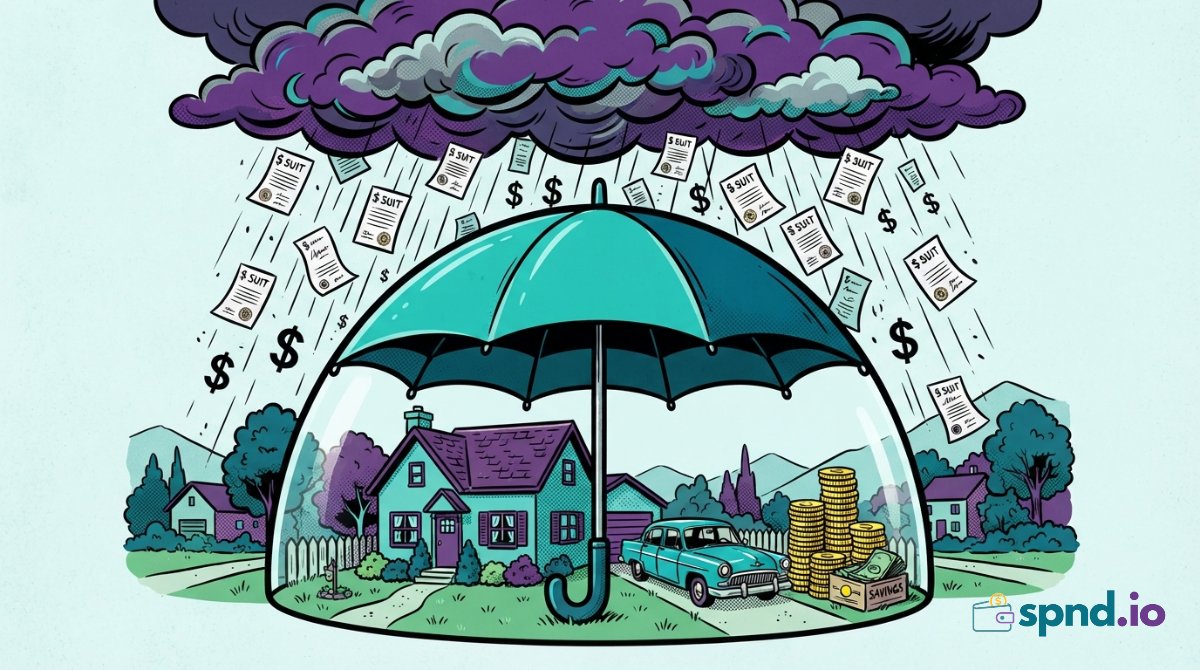
Most people have never heard of umbrella insurance until they're told they need it, and even then it's rarely obvious why. Here's the plain version: your home and auto insurance each come with a liability limit — the maximum they'll pay if you're sued for injuring someone or damaging their property. Umbrella insurance kicks in once that limit is exhausted, covering the gap between what your regular policies pay and what a lawsuit actually demands.

Why This Gap Is a Real Problem

Liability limits on standard home and auto policies are often lower than what a serious lawsuit could actually cost. A car accident that causes a permanent injury, a dog bite, a guest who's seriously hurt on your property — any of these can result in a judgment well beyond typical policy limits. When that happens, the difference comes out of your own assets: savings, home equity, future wages through garnishment, all of it exposed.
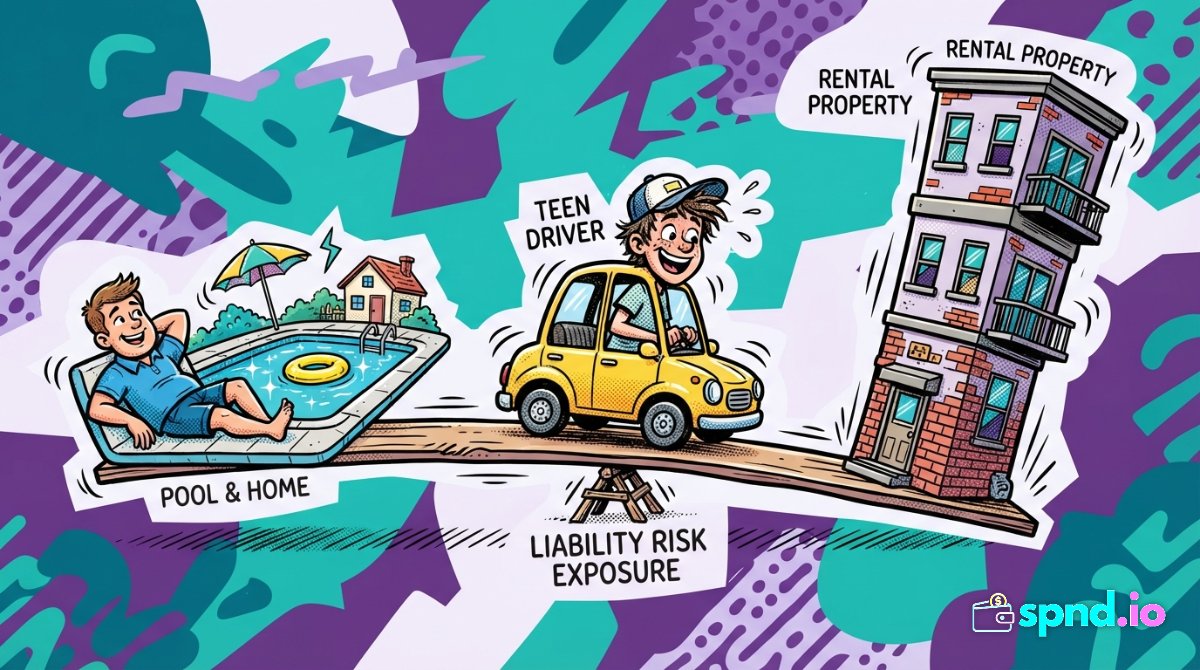
Pop-art scene of a homeowner with a pool, a teen driver and a rental property balanced on a thin platform of liability risk

Who Actually Needs This

  • Anyone with meaningful assets to protect — home equity, investments, savings that a lawsuit could actually reach
  • Homeowners with a pool, trampoline, or dog, all of which carry above-average liability risk
  • People who do a lot of driving, host guests frequently, or coach/volunteer in ways that create exposure
  • Landlords, since rental properties carry their own liability risk separate from your primary home

If your net worth is modest and you don't own much a lawsuit could actually take, the math changes — there's less to protect, so the coverage matters less. This is one of the few cases where having more money genuinely means you need more insurance, not less.

Enjoying this? Get more like it.

Weekly tips and tools to build wealth, straight to your inbox. Free, no spam.

By subscribing, you agree to our terms and privacy policy.

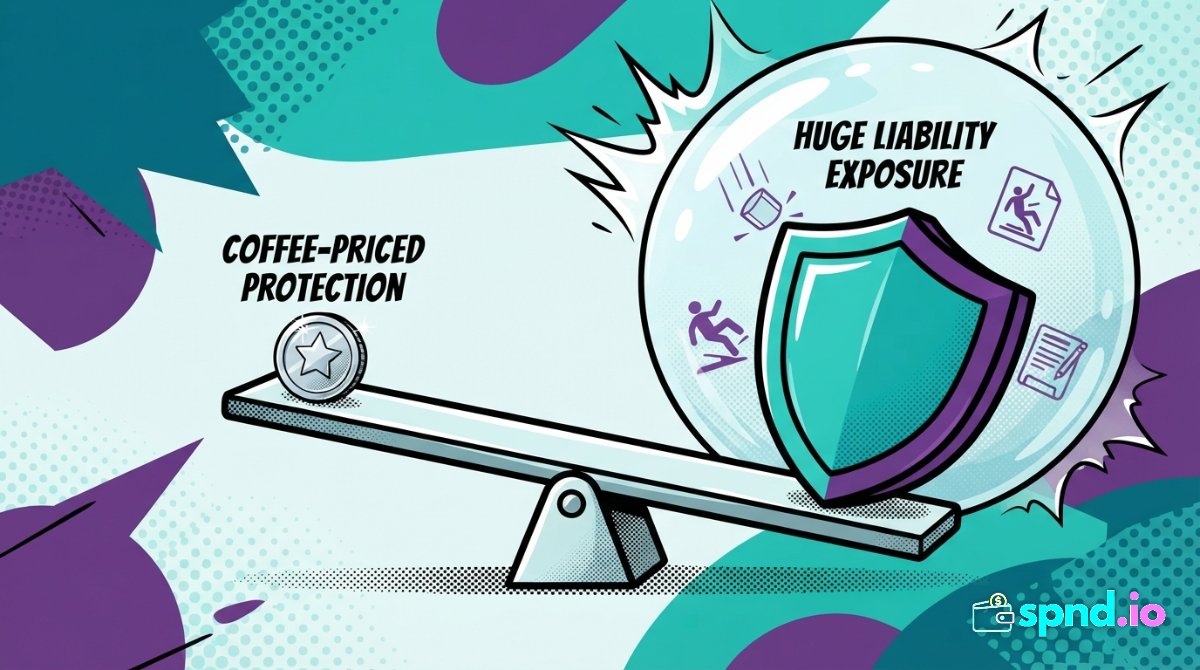
See-saw weighing a coffee-priced coin of protection against a shield covering a huge liability bubble

What It Actually Costs vs What It Covers

Umbrella policies are often surprisingly inexpensive relative to the coverage they add — frequently a few hundred dollars a year for a meaningful amount of extra liability protection, since insurers price it based on the relatively low odds of a catastrophic claim. The catch: you typically need to carry minimum liability limits on your underlying home and auto policies before an insurer will sell you an umbrella policy at all, so it's worth checking your current limits first.

Before shopping for a policy, get a real sense of what you're actually protecting. Run your numbers through our Net Worth Calculator — if the total is modest, umbrella coverage is a lower priority; if it's substantial, the cost-to-protection ratio usually makes it an easy yes. For families specifically weighing coverage priorities, our Life Insurance Calculator is a useful companion piece, since the two often get reviewed together. See our guide on figuring out how much coverage you actually need for the full picture.

If you're not sure where you land, a licensed insurance agent can look at your specific assets and risk factors and tell you honestly whether this is worth adding — not every insurance product is, but this one often is for anyone with something real to lose.

Share this article: 𝕏 Twitter Facebook
J
Jonathon Hyjek
Founder & CEO, spnd.io

I've spent 20+ years in the trenches of personal finance — running businesses, surviving debt, and learning what it actually takes to build wealth. spnd.io is built from real-world experience, not textbooks.

Related Articles