Financial Insights Blog

Financial insights, tips, and strategies to help you take control of your money

πŸ”
Automation: The Quiet Secret to Building Wealth Saving Tips

Automation: The Quiet Secret to Building Wealth

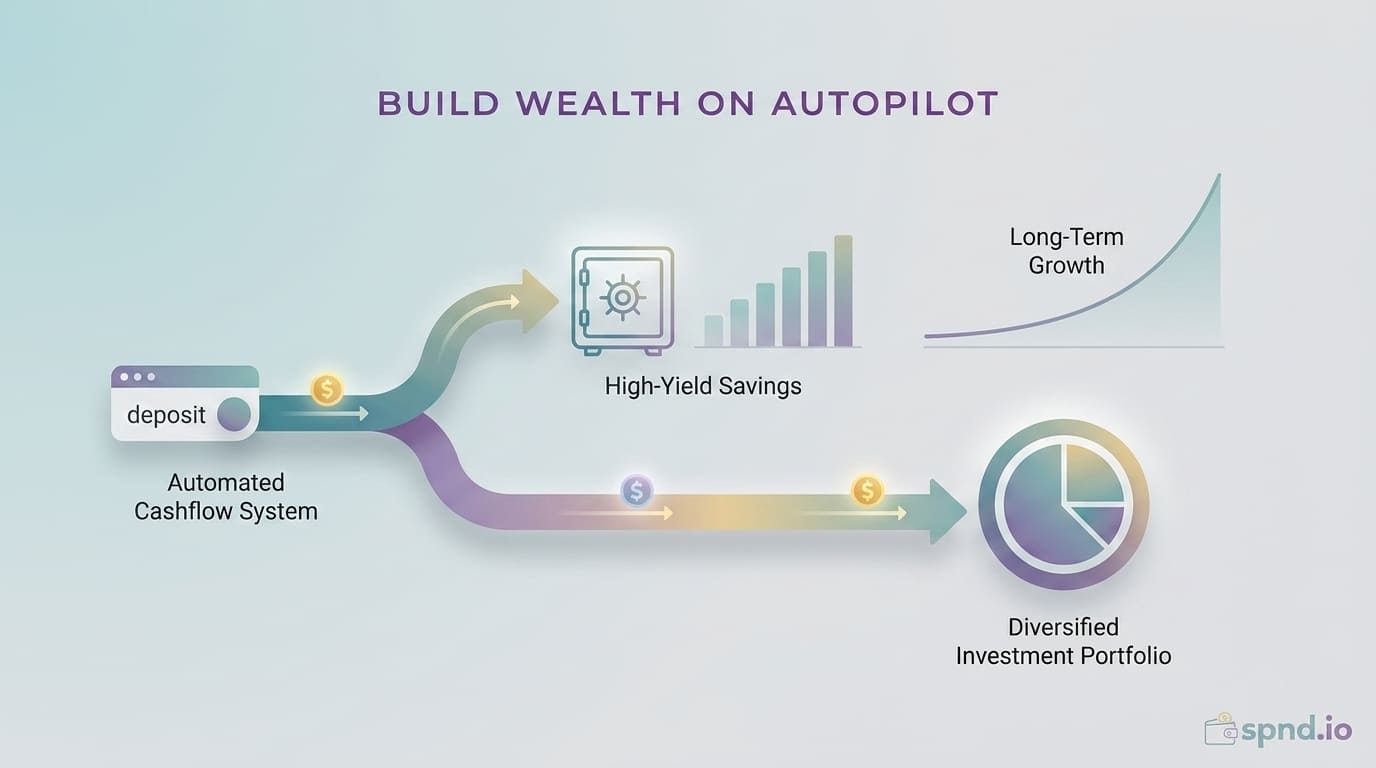
Automation is the single biggest predictor of long-term savings success. People who automate transfers to savings and retirement accounts save 2-3x more over a decade than people who rely on manual transfers, because automation removes willpower and decision-making from the equation. Set it up once on payday, and it works for decades.

πŸ“… May 12, 2026 Β· πŸ• 3 min read
Buy vs Rent in 2026: When Does It Actually Make Financial Sense?
Financial Planning

Buy vs Rent in 2026: When Does It Actually Make Financial Sense?

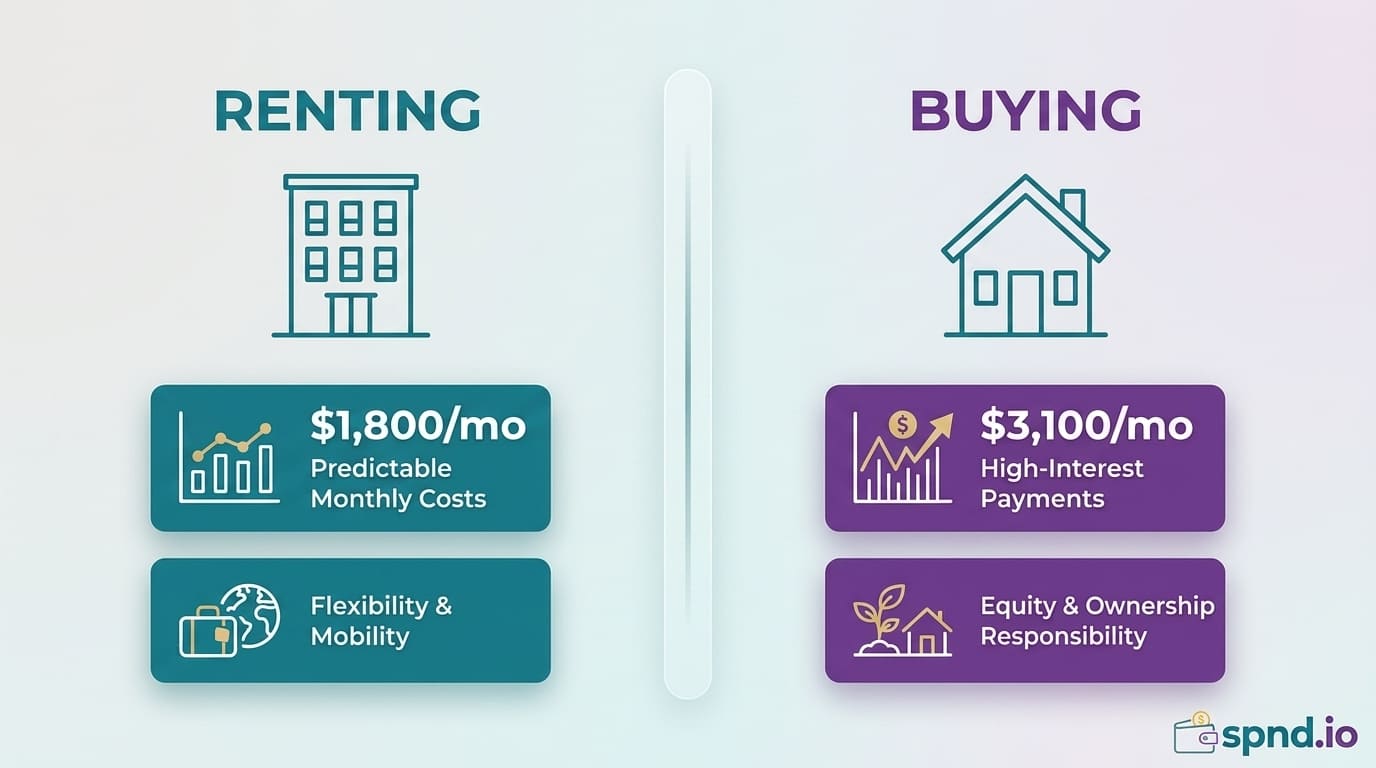
Buying typically makes financial sense when you plan to stay in the home for at least 5-7 years and the total cost of ownership (mortgage, taxes, insurance, maintenance) is within about 20% of the cost of renting a comparable place. In 2026's high-rate environment, renting wins more scenarios than it did a decade ago β€” especially for short stays or in high-cost markets.

πŸ“… May 12, 2026 Β· πŸ• 3 min read Β· πŸ‘€
Debt Snowball vs Debt Avalanche: Which Pays Off Credit Cards Faster?
Debt Management

Debt Snowball vs Debt Avalanche: Which Pays Off Credit Cards Faster?

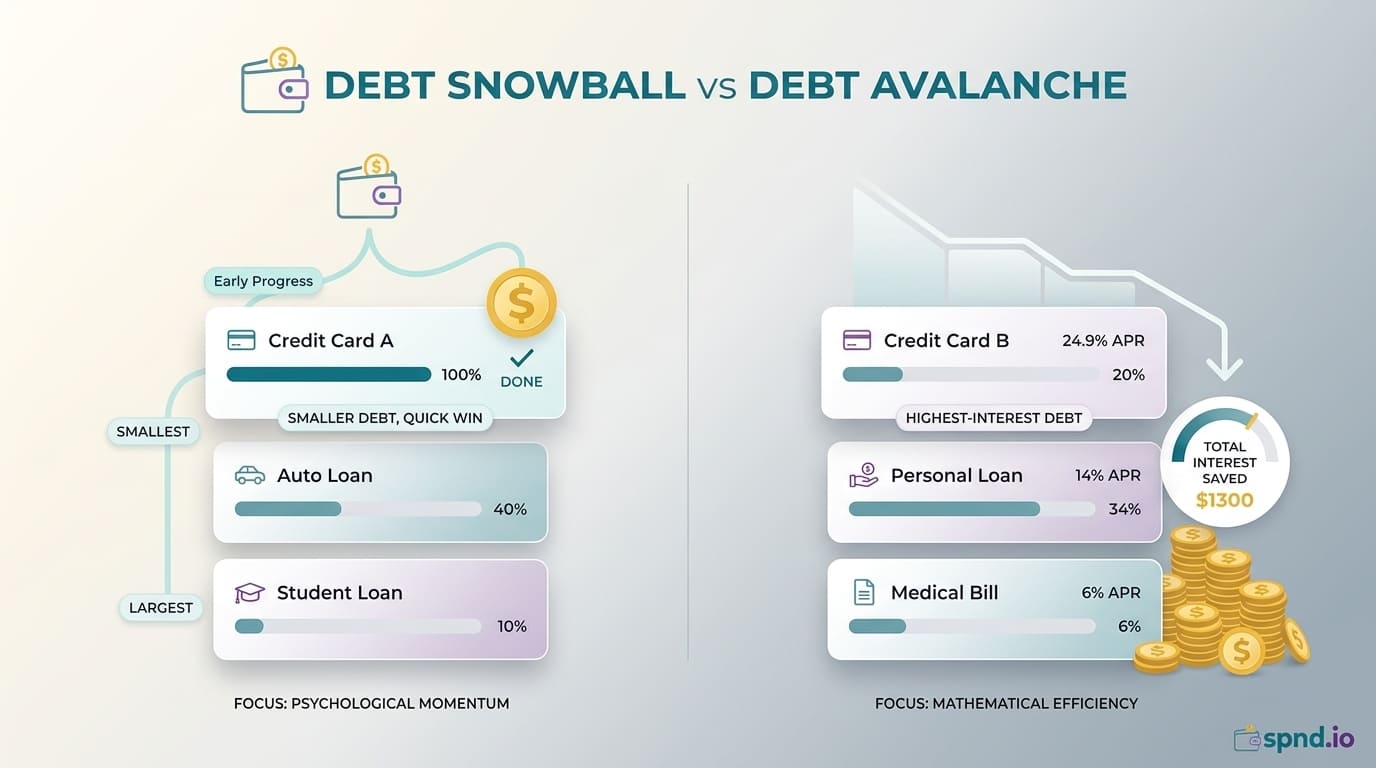
The debt avalanche method (paying off the highest-interest debt first) saves the most money in total interest. The debt snowball method (paying off the smallest balance first) produces faster psychological wins and has better completion rates in practice. For most people with multiple debts, the snowball method wins because it is the one people actually finish.

πŸ“… May 12, 2026 Β· πŸ• 3 min read Β· πŸ‘€
Mortgage Affordability: How Much House Can You Really Buy?
Budgeting

Mortgage Affordability: How Much House Can You Really Buy?

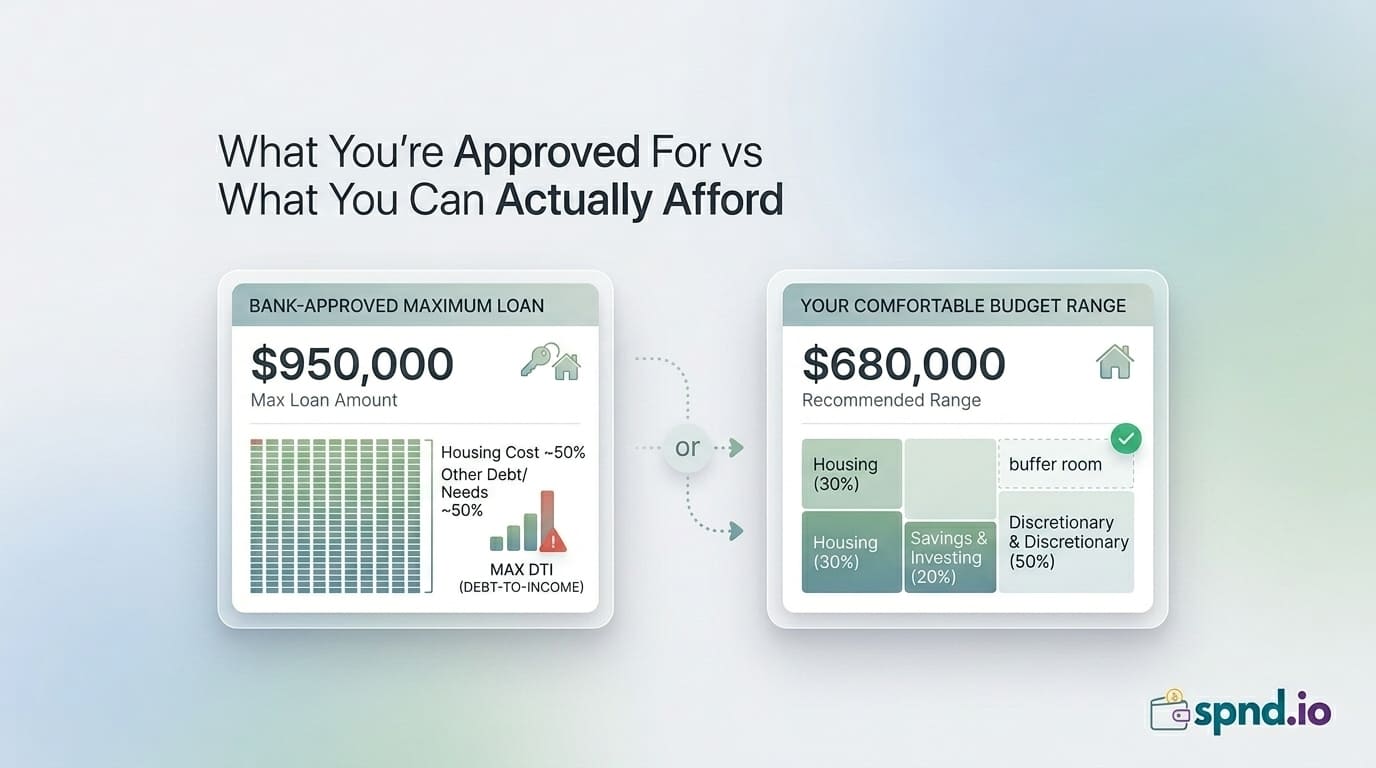
Lenders typically approve mortgages where housing costs stay under 28% of gross monthly income (front-end ratio) and total debt stays under 36-43% (back-end ratio). For real affordability, a stricter rule works better: keep total housing costs under 25% of take-home pay so you have room for savings, emergencies, and the rest of life.

πŸ“… May 12, 2026 Β· πŸ• 3 min read Β· πŸ‘€
Take-Home Pay by State and Province: What You Actually Keep
Budgeting

Take-Home Pay by State and Province: What You Actually Keep

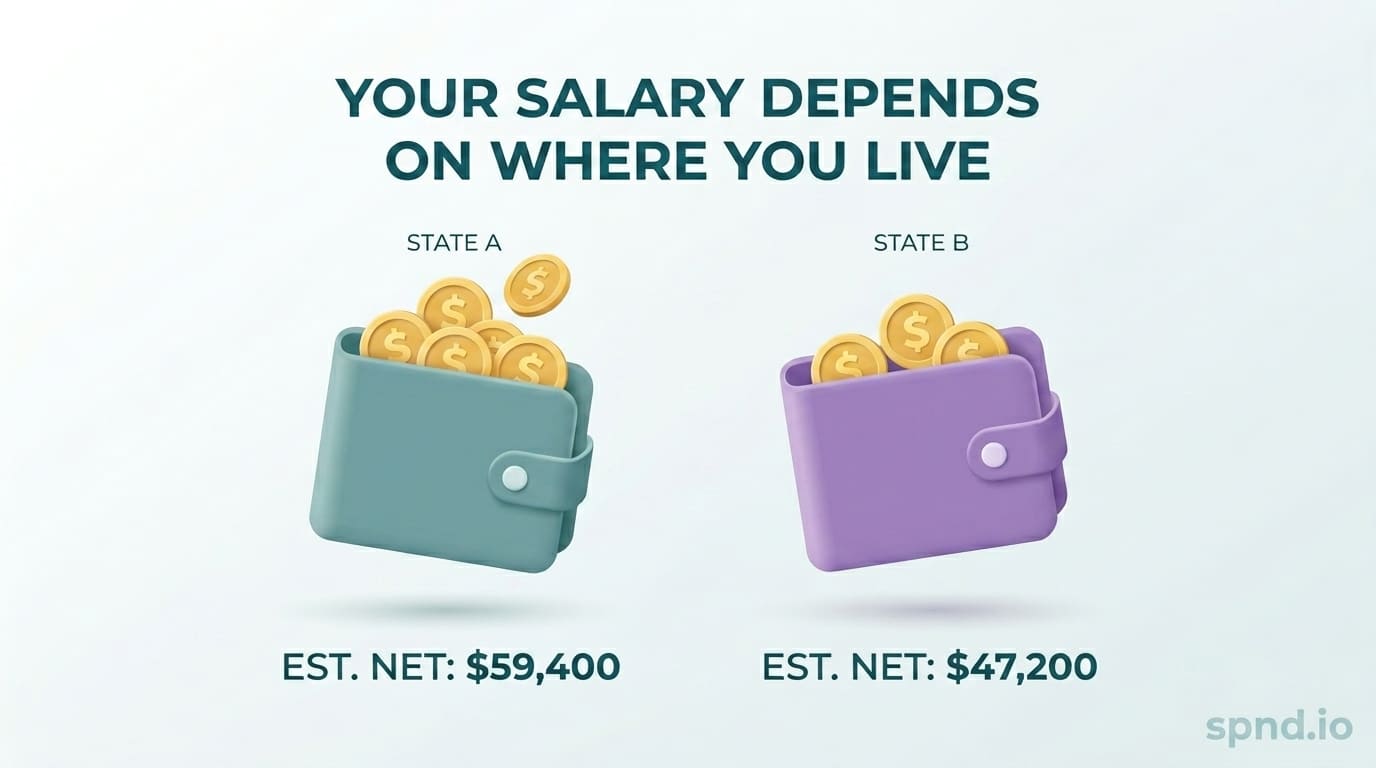
A $75,000 salary produces dramatically different take-home pay across locations: approximately $62,000 in Texas (83% kept), $57,000 in California (76%), $56,000 in Alberta (75%), and $52,000 in Quebec (69%). State or provincial income tax is the biggest driver of the variation.

πŸ“… May 12, 2026 Β· πŸ• 3 min read Β· πŸ‘€
How to Calculate Your Net Monthly Income (USA & Canada)
Financial Planning

How to Calculate Your Net Monthly Income (USA & Canada)

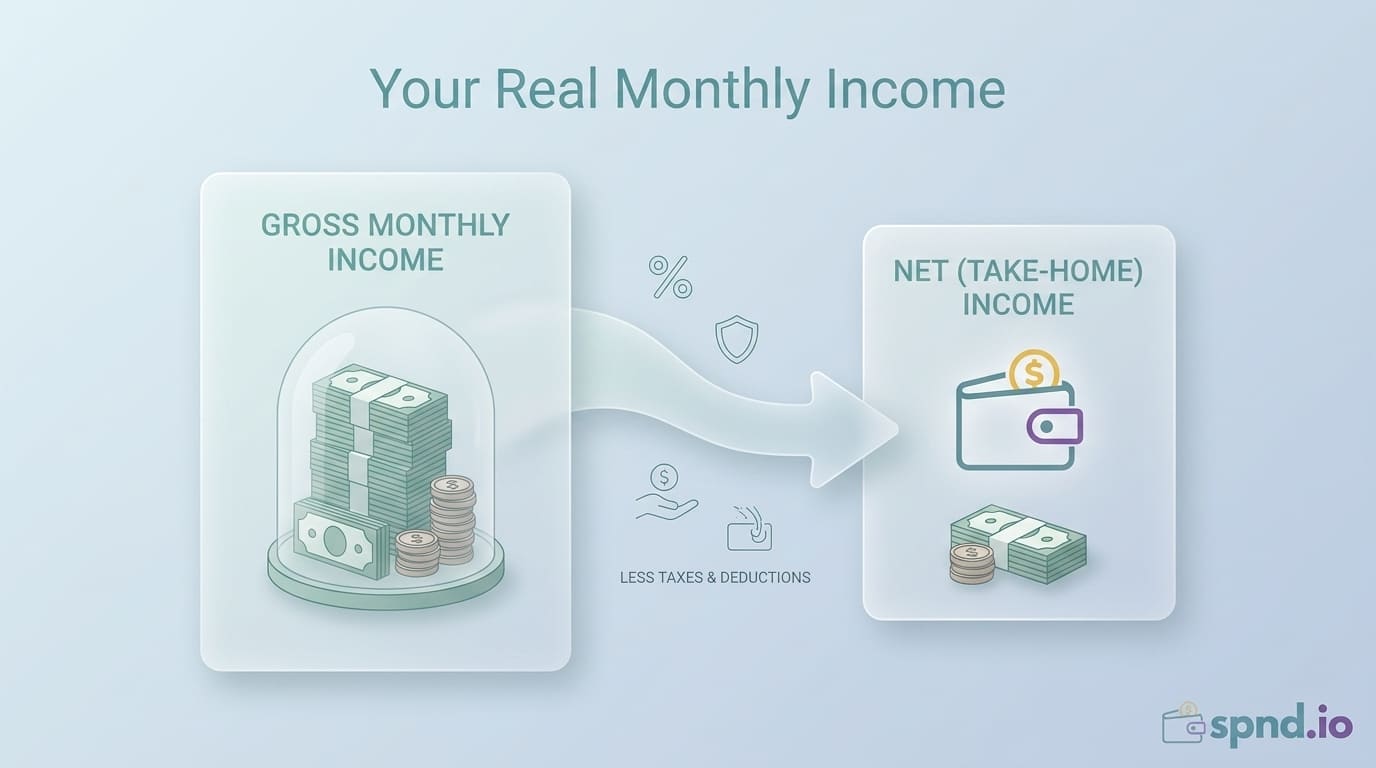
To calculate net monthly income: take your gross annual salary, subtract federal income tax, state or provincial tax, Social Security/CPP, Medicare/EI, and any mandatory deductions. Divide the result by 12. For paycheck-based calculation: multiply your net pay per check by the number of pay periods per year, then divide by 12.

πŸ“… May 12, 2026 Β· πŸ• 3 min read Β· πŸ‘€
Cashflow Planning for Irregular Income (Freelancers & Self-Employed)
Financial Planning

Cashflow Planning for Irregular Income (Freelancers & Self-Employed)

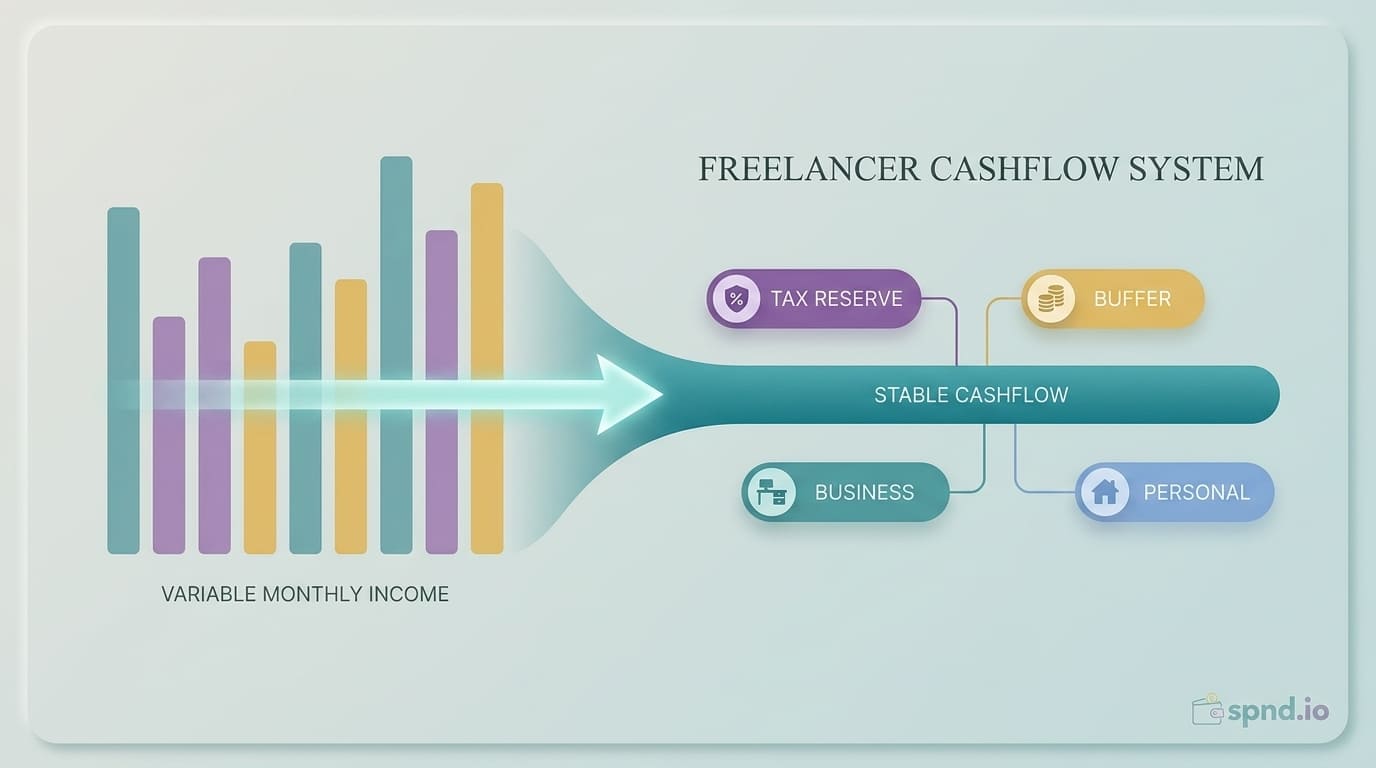
Budgeting irregular income works best with the 'pay yourself a salary' method: deposit all business income into a business account, then transfer a fixed monthly amount to personal checking regardless of that month's revenue. This creates predictable personal cashflow despite variable business income, funded by a business buffer equal to 2-3 months of personal draws.

πŸ“… May 12, 2026 Β· πŸ• 3 min read Β· πŸ‘€
Weekly vs Monthly Cashflow Planning: Which Works Better?
Financial Planning

Weekly vs Monthly Cashflow Planning: Which Works Better?

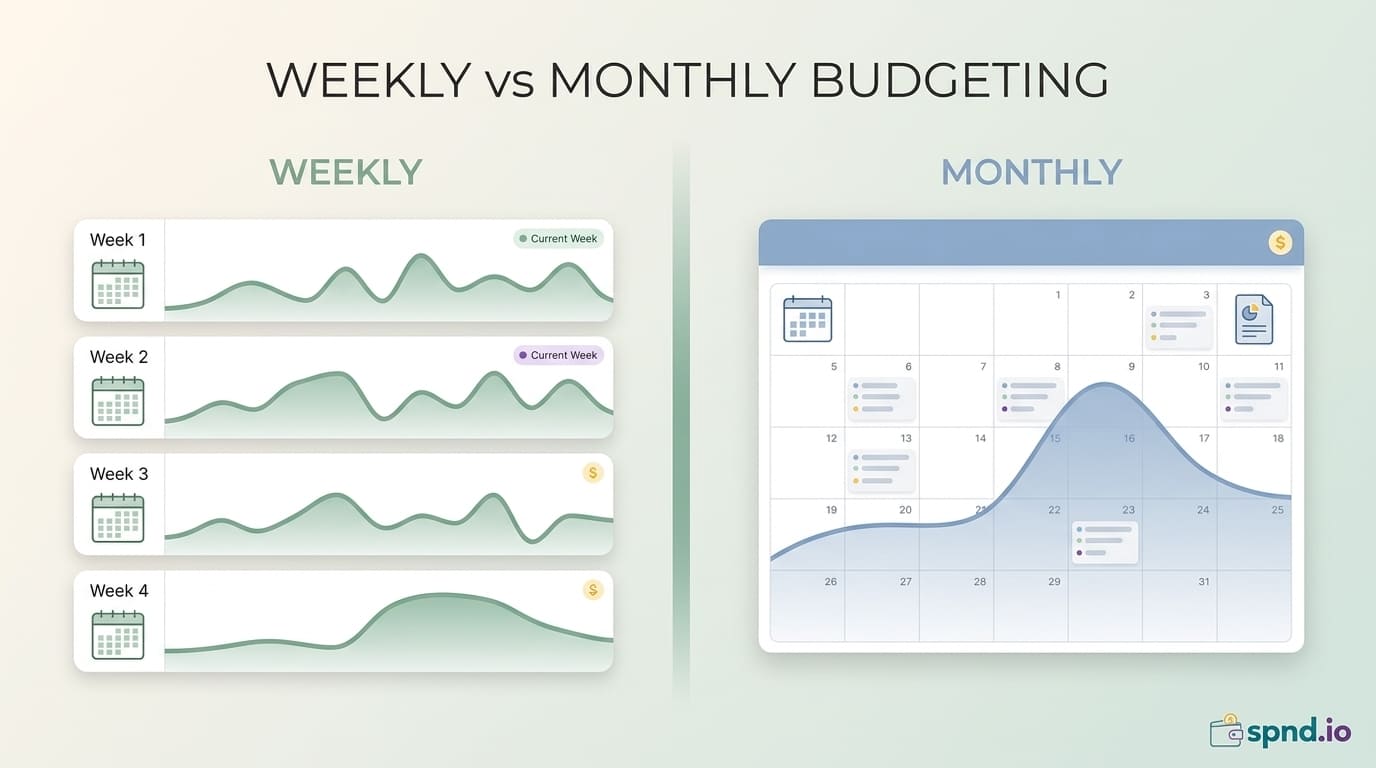
Weekly cashflow planning works better for people with variable income, weekly pay cycles, or those prone to mid-month overspending. Monthly planning works better for salaried earners with predictable income and regular fixed bills. The best cashflow system aligns with how often you actually get paid.

πŸ“… May 12, 2026 Β· πŸ• 3 min read Β· πŸ‘€
Where to Keep Your Emergency Fund: High-Interest Savings in Canada & USA
Saving Tips

Where to Keep Your Emergency Fund: High-Interest Savings in Canada & USA

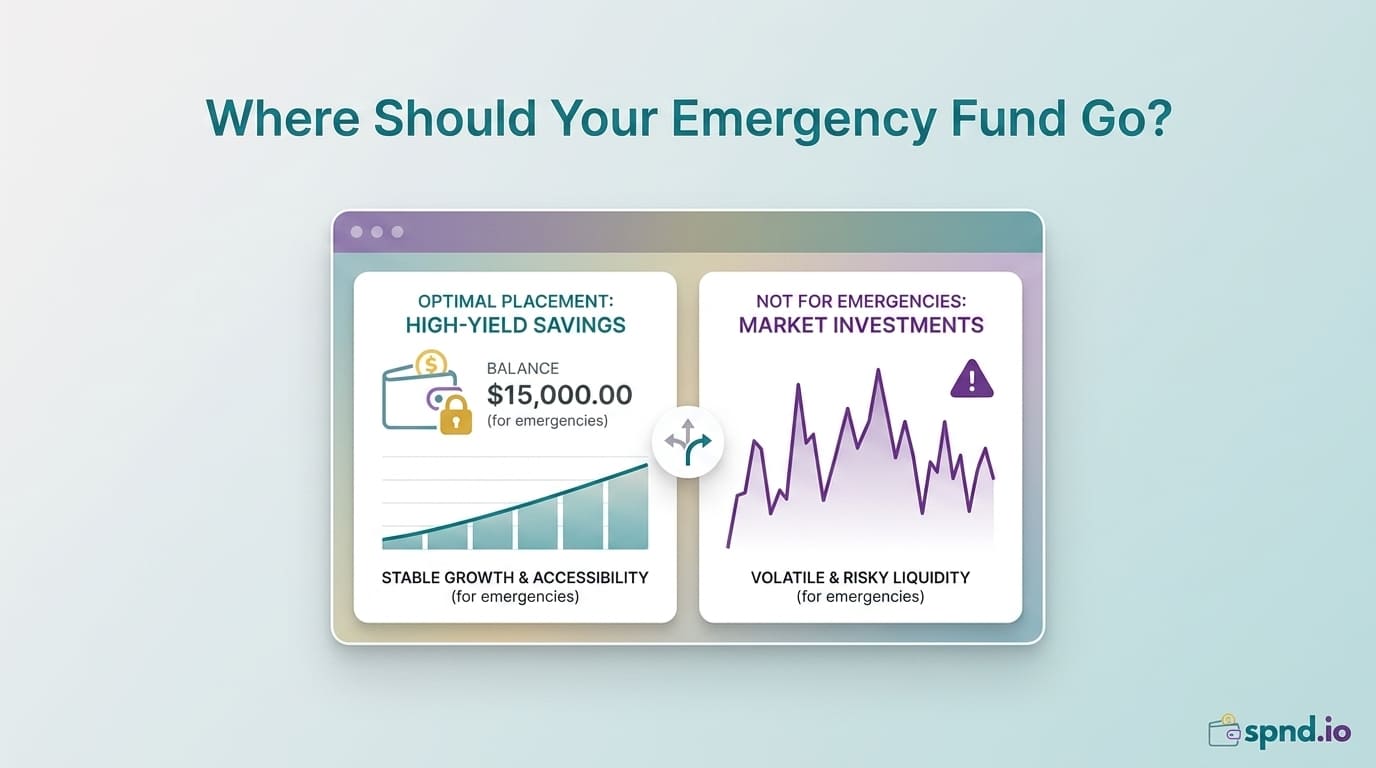
The best place to keep an emergency fund is a high-yield savings account (HYSA) at an online bank, earning 3-5% APY in 2026. These accounts are federally insured, completely liquid, and often have no fees or minimum balances. In Canada, a TFSA held as a high-interest savings account provides similar flexibility with tax-free growth.

πŸ“… May 12, 2026 Β· πŸ• 3 min read Β· πŸ‘€
How Much Should Be in Your Emergency Fund? (3, 6, or 12 Months?)
Budgeting

How Much Should Be in Your Emergency Fund? (3, 6, or 12 Months?)

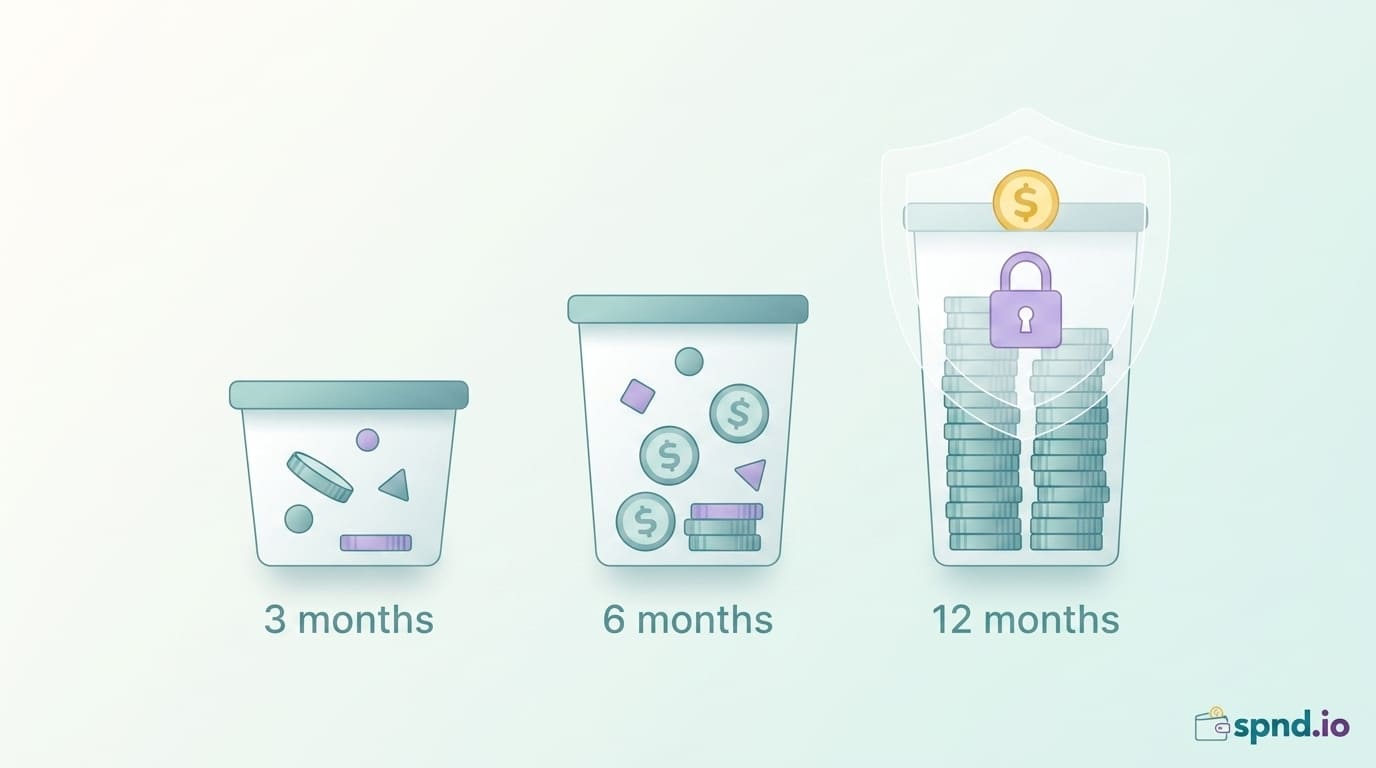
The right emergency fund size depends on your situation: 3 months of essential expenses for dual-income households with stable careers, 6 months for single-income or average-stability situations, and 9-12 months for self-employed, commission-based, or single-earner families with dependents. Calculate on essential expenses only, not total income.

πŸ“… May 12, 2026 Β· πŸ• 3 min read Β· πŸ‘€